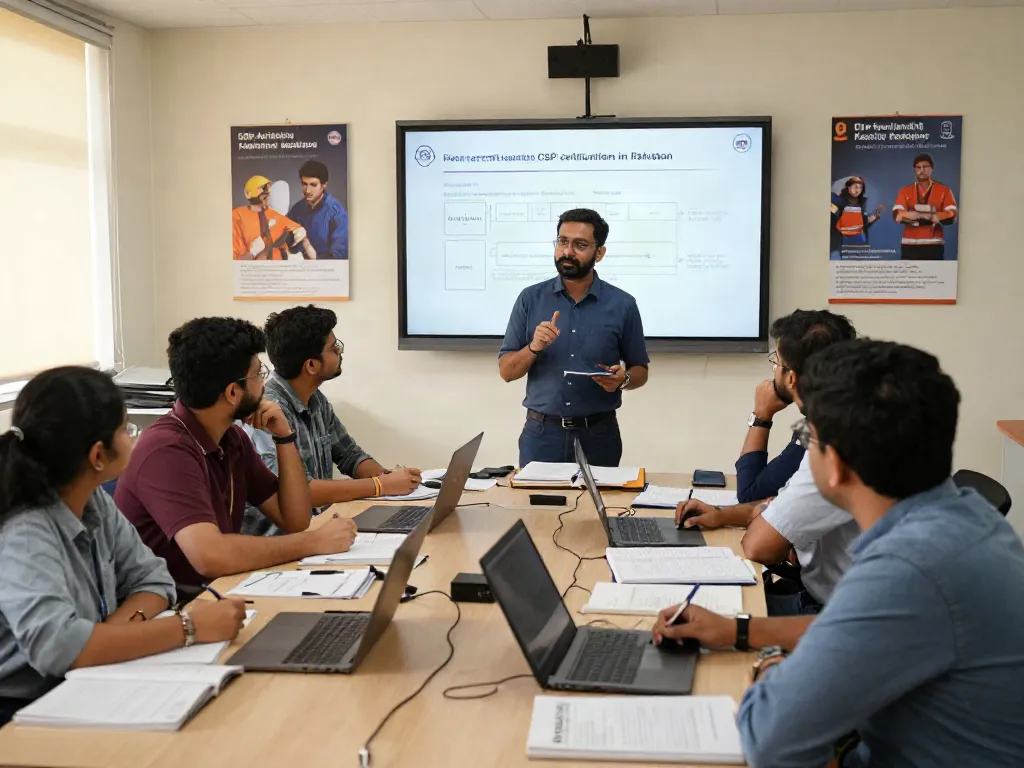
Understanding CSP Certification and Its Importance
The Certified Safety Professional (CSP) certification is a vital credential for professionals aiming to excel in the field of occupational health and safety. This certification, awarded by the Board of Certified Safety Professionals (BCSP), is recognized globally as a benchmark for safety excellence. It signifies that an individual possesses the necessary expertise and ethical standards to effectively manage workplace safety programs. As the demand for safety professionals increases across various sectors, understanding the nuances of CSP Certification becomes essential for career advancement. For anyone exploring options, CSP Certification provides a comprehensive pathway towards achieving professional mastery in safety management.
What is CSP Certification?
CSP Certification is a prestigious designation that demonstrates an individual’s proficiency in occupational safety, health, and environmental management. The certification process evaluates a candidate’s knowledge across various domains, including risk management, safety management systems, and emergency response strategies. Obtaining this credential requires not just passing a rigorous exam but also adhering to strict professional ethics and standards set by BCSP.
Why CSP Certification Matters in Today's Job Market
In today's competitive job market, the need for experienced safety professionals is more pressing than ever. Industries such as construction, manufacturing, and healthcare are prioritizing the hiring of certified professionals to ensure compliance with safety regulations and standards. Being a CSP is not merely about enhancing one’s qualifications; it significantly boosts employability and opens doors to advancement in roles such as Safety Manager, HSE Director, or Compliance Auditor.
Key Benefits of Becoming a Certified Safety Professional
- Enhanced Credibility: The CSP credential is recognized worldwide, establishing you as a credible expert in safety and health.
- Higher Earning Potential: CSP-certified professionals often earn higher salaries compared to their non-certified peers.
- Career Advancement: Certification can lead to promotions and leadership positions, particularly in multinational corporations.
- Networking Opportunities: Joining a community of CSPs provides avenues for professional connections and continued learning.
Eligibility Criteria for CSP Certification
Education Requirements for CSP Candidates
To qualify for CSP certification, candidates must possess a bachelor’s degree in safety or related field, such as engineering or health sciences. This educational foundation is critical as it helps build the necessary theoretical knowledge essential for safety management. Additionally, candidates are encouraged to pursue ongoing education to stay current on safety practices and advancements.
Experience and Training Essentials for Certification
Candidates must have a minimum of four years of professional safety experience, with at least three years in a role where they had safety accountability. This experience is vital for understanding the complexities of workplace safety and the implementation of safety programs.
Application Process and Fees for CSP Certification
The process to apply for CSP certification involves several steps. First, candidates need to create an account on the BCSP website and fill out the application. The application fee is $160, and the exam fee is $350. Upon approval, candidates have one year to schedule and take their exam, which can be done at Pearson VUE testing centers worldwide.
Preparing for the CSP Exam: Strategies and Resources
Comprehensive Study Materials and Tools
Preparation for the CSP exam requires access to high-quality study materials. Candidates should utilize official CSP study guides, online resources, and textbooks pertinent to the exam topics. Mock exams and practice questions are also invaluable in preparing for the rigorous test.
Effective Exam Preparation Techniques
Effective preparation involves creating a structured study plan that covers all exam topics. Candidates should review each domain, emphasizing risk management, safety management systems, and emergency procedures.
Mock Tests and Practice Questions for Success
Taking full-length mock tests is critical for success on the CSP exam. These tests not only familiarize candidates with the exam format but also help in building test-taking stamina. Understanding the types of questions typically asked can significantly improve performance on the actual exam day.
Advantages of Enrolling in a CSP Training Program
Benefits of Professional Coaching and Mentorship
Enrolling in a professional CSP training program offers numerous benefits, including personalized coaching from experienced instructors. Mentorship provides valuable insights into the exam process and industry practices, enhancing a candidate's readiness.
Exam-Focused Curriculum and Learning Outcomes
A well-structured CSP training course focuses specifically on the exam domains, ensuring that all necessary topics are covered. This targeted approach maximizes study efficiency and effectiveness.
Flexibility of Training Options: Online and In-Person
Many training programs offer flexible learning modes, including online and in-person classes. This flexibility allows candidates to choose a study method that best fits their schedules and learning styles.
Future Trends in CSP Certification and Safety Management
Emerging Practices in Occupational Health and Safety
As workplace safety evolves, new practices and technologies are being integrated into safety management processes. CSP professionals must stay updated on trends such as remote safety audits, ergonomic assessments, and the use of artificial intelligence in risk management.
Career Growth Opportunities Post-CSP Certification
After obtaining CSP certification, professionals have access to a plethora of career opportunities. Many organizations view CSP certification as a prerequisite for upper-level safety positions, further enhancing career trajectories.
Influence of CSP Certification on Industry Standards
CSP professionals often play a role in shaping industry standards and policies. Their advanced knowledge allows them to contribute to discussions on regulatory changes and the implementation of best practices across various industries.
What Are the Costs Involved in CSP Certification?
In addition to the application and exam fees, candidates should consider the cost of study materials, training courses, and potential travel expenses to testing sites. Budgeting for these elements is crucial for successful certification.
How Long Does It Take to Achieve CSP Certification?
The time required to achieve CSP certification varies depending on the individual’s preparation style and schedule. On average, candidates may need several months to adequately prepare for the exam after completing their application.
What Resources Are Available for CSP Preparation?
Numerous resources are available for CSP preparation, including online courses, textbooks, webinars, and study groups. Candidates are encouraged to leverage a combination of these resources to enhance their understanding and retention of key concepts.