Understanding the Importance of English Classes for Children
In today's globalized world, the ability to communicate in English is more important than ever. For children, learning English early can provide a solid foundation that benefits not only their academic journey but also their future professional opportunities. As parents, understanding the nuances of English classes for children is crucial in making an informed choice for your child's education.
Why Learning English Early Matters
Introducing English to children at a young age can significantly enhance their cognitive development and linguistic skills. The earlier a child begins learning a new language, the more easily they can absorb it. Studies have shown that young minds are particularly adept at picking up new sounds and structures, allowing them to become more fluent speakers as they grow. Furthermore, early exposure to English sets the groundwork for strong communication skills, which are essential in today's interconnected society.
The Impact of English Proficiency on Future Opportunities
English proficiency opens doors to a plethora of opportunities in education and careers. Students who are well-versed in English have greater access to information, resources, and scholarship programs. Many of the world's top universities require a high level of English, which can be a barrier for non-English speakers. Additionally, as many multinational companies operate in English, having strong language skills can enhance employability and career advancements. Hence, investing in English education for children is not just a trend but a strategic move for future success.
How English Classes Can Cultivate a Love of Learning
Well-structured English classes can inspire a genuine interest in learning. When children engage with passionate tutors who utilize interactive and fun teaching methods, they develop a positive attitude towards education. This method fosters curiosity, encouraging them to explore the language through reading, writing, speaking, and listening. By cultivating a love of learning early on, children are more likely to pursue their education with enthusiasm throughout their lives.
What to Expect from English Classes for Children
When enrolling a child in English classes, it’s essential to understand what the curriculum entails. Knowing what to expect can help parents support their children’s learning journey effectively.
Curriculum Overview for Different Age Groups
English curricula are typically tailored to specific age groups, with content suited to the developmental stages of learners. For instance, classes for preschoolers focus on fundamental concepts like colors, numbers, and basic vocabulary through gamified learning experiences. As children progress to primary school levels, the curriculum becomes more structured, emphasizing reading comprehension, grammar, and conversational skills. This tiered approach ensures that children build on their knowledge progressively and solidly.
Learning Methodologies Utilized by Tutors
Many tutors employ various methodologies to create an engaging learning environment. The immersion method, which emphasizes the use of English in real-life contexts, is highly effective. Through this approach, children learn to think and respond in English, enhancing their fluency and confidence. Additionally, tutors may incorporate multimedia resources, storytelling, and interactive activities to keep lessons dynamic and enjoyable, providing children with multiple avenues to grasp the language rapidly.
Typical Class Structure and Duration
Classes typically last between 25 to 50 minutes, depending on the child's age and attention span. Younger children often benefit from shorter sessions that maintain their focus, while older students may engage in more extended lessons that encompass deeper discussions and advanced topics. A typical class will usually start with a warm-up activity, followed by new vocabulary introduction, practice exercises, and a closing summary to help consolidate what has been learned.
Choosing the Right English Class Provider
Selecting the right provider for your child's English education can feel overwhelming given the multitude of options available. However, certain criteria can guide your decision-making process.
Key Features to Look for in a Tutor
When evaluating tutors, consider their educational background, teaching experience, and familiarity with the age group they will be instructing. It's also beneficial to find tutors who possess a genuine passion for teaching and a knack for connecting with children. Engaging tutors can inspire learners and significantly impact their motivation to study. Additionally, seeking feedback from other parents or reviewing testimonials can provide insights into a tutor's effectiveness.
Evaluating Class Formats: Online vs. In-Person
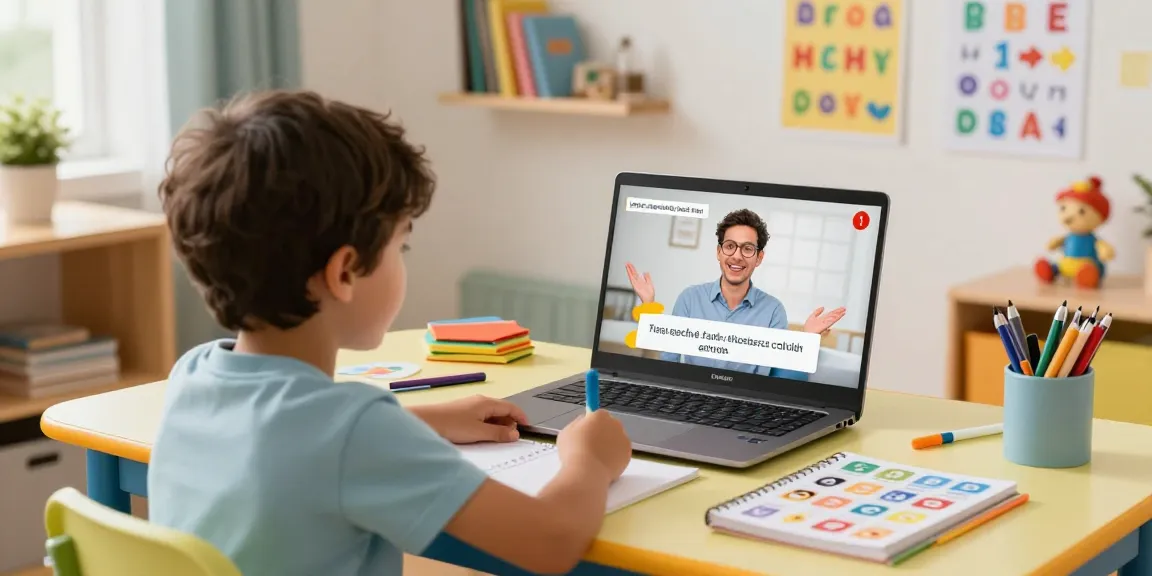
The format of classes—whether online or in-person—can influence a child's learning experience. Online classes offer flexibility and accessibility, allowing students to learn from the comfort of their homes. On the other hand, in-person classes can enhance social interaction, providing learners with opportunities to practice speaking in real-time, which is invaluable for language acquisition. Parents should weigh the pros and cons of both formats based on their child's learning preferences.
Understanding Pricing Structures and Subscription Models
Pricing can vary widely between providers, so it's important to understand the cost structures. Many providers operate on a subscription model where parents pay for a set number of lessons per month, with discounts available for more extended commitments. Always clarify what is included in the fee—such as materials and resources—and keep in mind the potential for trial lessons to assess the fit before making a financial commitment.
Measuring the Effectiveness of English Classes for Children
To ensure that English classes are yielding positive results, it is vital to establish methods for measuring effectiveness.
Setting Learning Goals and Milestones
Defining clear, achievable goals is an essential step in tracking progress. Parents should work with tutors to outline specific learning milestones, whether that is mastering a certain number of vocabulary words or achieving reading fluency by a particular date. Having tangible objectives helps both students and tutors stay focused and motivated throughout the learning process.
Feedback Mechanisms: How Tutors Track Progress
Effective communication between tutors and parents is key to understanding a child's progression. Regular feedback sessions can help parents stay informed about their child's strengths and areas for improvement. Many tutors employ assessment tools or progress tracking software to measure performance over time, allowing for adjustments in teaching strategies if needed.
Real-Life Success Stories from Students
Success stories from other parents and students can provide hope and inspiration. Hearing about children who have excelled after enrolling in English classes can validate your decision and encourage your child to embrace learning. Personal anecdotes can showcase the transformative power of effective teaching and the importance of a supportive learning environment.
Future Trends in English Education for Children
The landscape of English education for children is evolving, influenced by technological advances and global trends.
Innovative Learning Tools and Technologies
Technology continues to shape how children learn languages. Interactive applications, virtual reality (VR), and artificial intelligence (AI) are becoming popular tools that make learning more engaging. As educational platforms evolve, they increasingly harness these technologies to create immersive experiences that can enhance language acquisition and retention.
Adapting to Global Changes in Education Post-2026
As we look ahead, changes in global education systems will likely influence how English is taught. Increasing emphasis on personalized learning, where courses are adapted to fit the individual needs and learning styles of each student, will become more prevalent. This method ensures that children receive the support they need while fostering independence and confidence in their language skills.
The Role of Parents in Supporting Language Learning
Parents play an integral role in their child's language learning journey. Encouraging children to practice their English skills at home, whether through books, educational games, or conversations, reinforces what they learn in class. Establishing a conducive learning environment at home, free from distractions, can further enhance their focus and retention of new concepts.
How Do I Know If My Child is Ready for English Classes?
Determining if a child is ready for English classes depends largely on their interest level and developmental stage. If they show curiosity about language, express a desire to learn, or demonstrate social interactions in English, these are strong indicators they may be ready to begin.
Can English Classes Help with School Curriculum?
Absolutely! Well-structured English classes can complement traditional school curricula. Tutors often align their lessons with the CEFR (Common European Framework of Reference), ensuring that children reinforce what they learn in school while gaining confidence in their language skills.
What Are the Benefits of Online English Lessons?
Online English lessons provide unparalleled flexibility. Children can learn at their own pace, often in an environment that feels comfortable and safe. Additionally, online formats allow access to a wider range of tutors and resources, enhancing learning opportunities.
Are There Refund Policies if I'm Unsatisfied?
Many reputable providers offer satisfaction guarantees, allowing parents to seek refunds within a specified timeframe if they feel unsatisfied with the service. This policy reflects a commitment to quality and customer care, ensuring that families only invest in effective education.
How Can I Monitor My Child's Progress?
Regular communication with tutors, engaging in discussions about class content, and observing your child's enthusiasm for English can all serve as indicators of progress. Additionally, many platforms provide tools to track performance over time, giving parents a clear picture of their child's development.