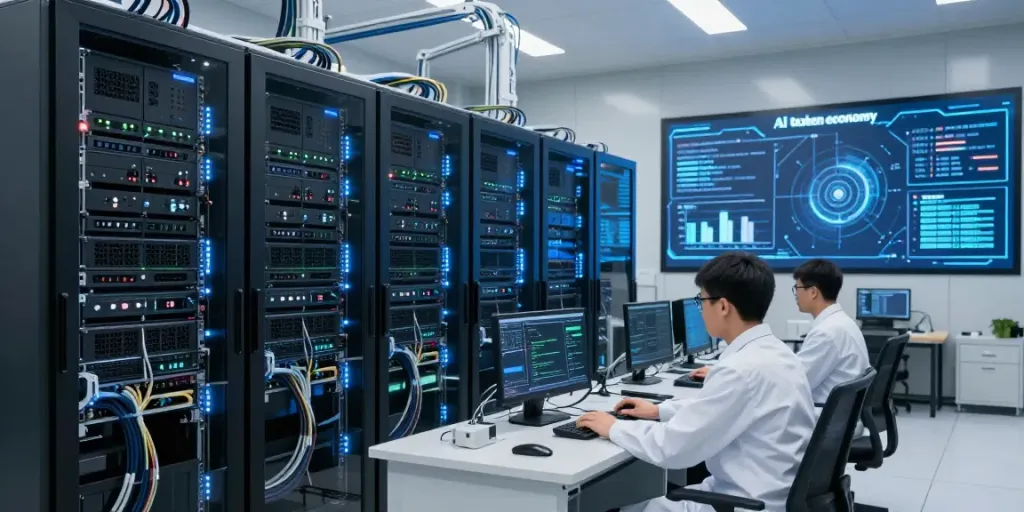
Understanding AI Data Centers
As the demand for artificial intelligence (AI) applications surges, AI data centers have emerged as critical facilities catering to the unique computational requirements of AI workloads. Unlike traditional data centers, these specialized environments are designed to support high-density GPU computing, enabling organizations to efficiently train and deploy AI models. When exploring options, AI data center offer comprehensive insights into how this technology transforms various sectors by optimizing performance while managing resource utilization and power consumption.
What is an AI Data Center?
An AI data center is a facility specifically engineered to house the computing infrastructure needed for AI applications. This includes powerful hardware such as GPUs, which are essential for processing large volumes of data at high speeds. These data centers not only support the training of machine learning models but also facilitate real-time inference, where models deliver outputs based on new data inputs. AI data centers must accommodate vast amounts of parallel processing, which differs significantly from the sequential workloads handled by conventional data centers.
Key Components of an AI Data Center
The architecture of an AI data center encompasses several key components, including:
- High-Performance Computing Units: Primarily GPUs that drive the high-performance requirements of AI workloads.
- Storage Solutions: Fast and scalable storage systems that can manage massive datasets required for training models.
- Networking Infrastructure: High-bandwidth, low-latency networking to facilitate quick data transfer between computing and storage resources.
- Cooling Systems: Advanced cooling mechanisms to maintain optimal operating temperatures for densely packed hardware.
- Power Management Systems: Infrastructure that ensures a steady power supply, critical for high-performance computing operations.
Differences Between Traditional and AI Data Centers
While both types of data centers serve the overarching purpose of data management and processing, they differ significantly in design and function:
- Workload Type: Traditional data centers are built for diverse workloads, primarily CPU-based, while AI data centers focus on GPU-optimized tasks.
- Scalability: AI data centers require more scalable architectures to handle rapid growth in data and computational demands.
- Energy Consumption: AI data centers typically have higher energy demands due to the intensive nature of AI processing, necessitating efficient power solutions.
The Importance of Power in AI Data Centers
The successful operation of AI data centers is heavily reliant on reliable and efficient power supply systems. As AI workloads grow, the power requirements can escalate, posing significant challenges and opportunities for data center operators.
Why Power Supply Matters for AI Operations
A consistent and robust power supply is essential for maintaining the performance and reliability of AI data centers. Interruptions or fluctuations can lead to downtime, impacting not only operational efficiency but also the trust of customers relying on AI services. Moreover, power costs significantly affect the total operational expenditure, making it vital to implement strategies that enhance energy efficiency without compromising performance.
Energy Efficiency Strategies for AI Data Centers
Implementing energy efficiency measures helps AI data centers reduce their carbon footprint and operational costs:
- Dynamic Power Management: Utilizing power management systems that adapt to real-time workload demands allows for better energy allocation.
- Virtualization: Reducing physical hardware requirements through virtualization can lead to lower energy consumption.
- Cooling Optimization: Employing advanced cooling technologies, such as liquid cooling and AI-driven environmental controls, can significantly improve energy efficiency.
Managing Peak Power Demand in AI Environments
Managing peak power demand is crucial for optimizing performance and ensuring sustainability in AI data centers. Strategies include:
- Load Balancing: Distributing workloads evenly across available resources can minimize spikes in power usage.
- Peak Shaving: Utilizing energy storage solutions or backup generators during peak demand periods can help reduce reliance on the grid.
Participating in the AI Token Economy
The integration of blockchain technology within AI data centers is forging a new path for resource allocation and performance tracking, encapsulated in the concept of the AI token economy. Using token systems allows for more precise measurement of resource contributions and rewards based on usage.
How AI Data Centers Integrate Token Systems
AI data centers leverage tokenization to create a transparent and accountable system for measuring contributions. Each transaction is recorded as tokens, which correspond to the computational power consumed or provided. This allows participants to understand their impact on AI operations and gain rewards accordingly. Tokens can represent kilowatt-hours of energy used or computational resources allocated, creating a more nuanced understanding of resource usage.
The Role of Power Contributions in Token Economy
Power contributions from participants within the AI data center ecosystem directly influence the effectiveness of the token economy. Contributors support necessary computing power and energy requirements, facilitating the smooth operation of AI services. As participants engage with the infrastructure, their contributions can affect token generation, which can then translate into financial rewards or service credits.
Calculating Rewards from AI Data Center Contributions
The process of calculating rewards is based on the number of tokens generated through resource usage and the underlying power contributions. AI data centers utilize performance data to assess operational efficiency and determine the corresponding rewards for participants. The calculation involves:
- Tracking Energy Use: Monitoring the amount of energy consumed during AI tasks.
- Token Measurement: Assessing the volume of tokens generated based on processed workloads.
- Cost Deduction: Subtracting any operational costs from the total revenue generated to derive individual rewards.
Building a Sustainable AI Data Center
Creating sustainable operations is vital in ensuring that AI data centers meet current demands without compromising future resources. Sustainability initiatives encompass energy efficiency, renewable energy adoption, and innovative operational practices.
Best Practices for Sustainable Operations
Implementing best practices for sustainability can significantly enhance the environmental impact of AI data centers:
- Green Building Certifications: Achieving certifications like LEED can motivate operators to adhere to environmentally friendly practices.
- Waste Reduction: Developing strategies to minimize electronic waste and enhance recycling efforts.
- Energy Audits: Regularly conducting energy audits can help identify areas for improvement and ensure compliance with sustainability goals.
Leveraging Renewable Energy in AI Data Centers
AI data centers can greatly benefit from renewable energy sources such as solar, wind, and hydroelectric power:
- Carbon Footprint Reduction: Utilizing renewable sources can help lower greenhouse gas emissions associated with energy consumption.
- Cost Effectiveness: Over time, investments in renewable energy infrastructure can yield cost savings on energy bills.
- Grid Independence: Generating on-site renewable energy can reduce reliance on traditional power grids and enhance operational security.
Future Trends in AI Data Center Sustainability
The future of AI data centers emphasizes sustainability through innovative technologies and practices. Some trends to watch include:
- AI for Energy Management: Employing AI algorithms to optimize energy consumption and resource allocation.
- Blockchain for Transparency: Using blockchain technology to create a transparent supply chain for power usage and sustainability practices.
- Edge Computing: Integrating edge computing solutions to bring processing closer to data sources, reducing latency and energy consumption.
Case Studies and Real-World Applications
Understanding practical implementations of AI data centers can provide valuable insights into their operational effectiveness and sustainability practices.
Successful Examples of AI Data Centers
One notable example is Google’s AI-powered data centers, which utilize machine learning algorithms to manage and optimize cooling. This initiative has reportedly resulted in a 30% reduction in energy consumption.
Lessons Learned from AI Data Center Implementations
Case studies highlight the importance of tailoring energy solutions to specific operational needs and the benefits of real-time monitoring systems in managing resource efficiency.
Future Predictions for AI Data Center Evolution
As AI continues to evolve, data centers will likely adopt more advanced technologies, including quantum computing and increasingly innovative cooling systems that will further enhance their sustainability and operational efficiency.
What is the AI data center?
An AI data center is a specialized facility designed to support the intensive computing demands of artificial intelligence workloads, ensuring efficiency in data processing and model training.
How do AI data centers support the token economy?
AI data centers integrate token systems that measure the consumption and contributions of resources, creating a transparent and accountable framework that rewards participants based on their engagement.
What components are critical for AI data center efficiency?
Key components include high-performance GPUs, advanced cooling systems, scalable storage solutions, and efficient power management infrastructure that collectively drive operational effectiveness.
How can AI data centers be made more sustainable?
Through practices such as leveraging renewable energy, optimizing energy consumption, and adopting cutting-edge cooling technologies, AI data centers can greatly enhance their sustainability.
What trends are shaping the future of AI data centers?
Trends include increased automation through AI, enhanced sustainability practices, and the integration of blockchain technology to facilitate transparency in energy usage and operational efficiency.