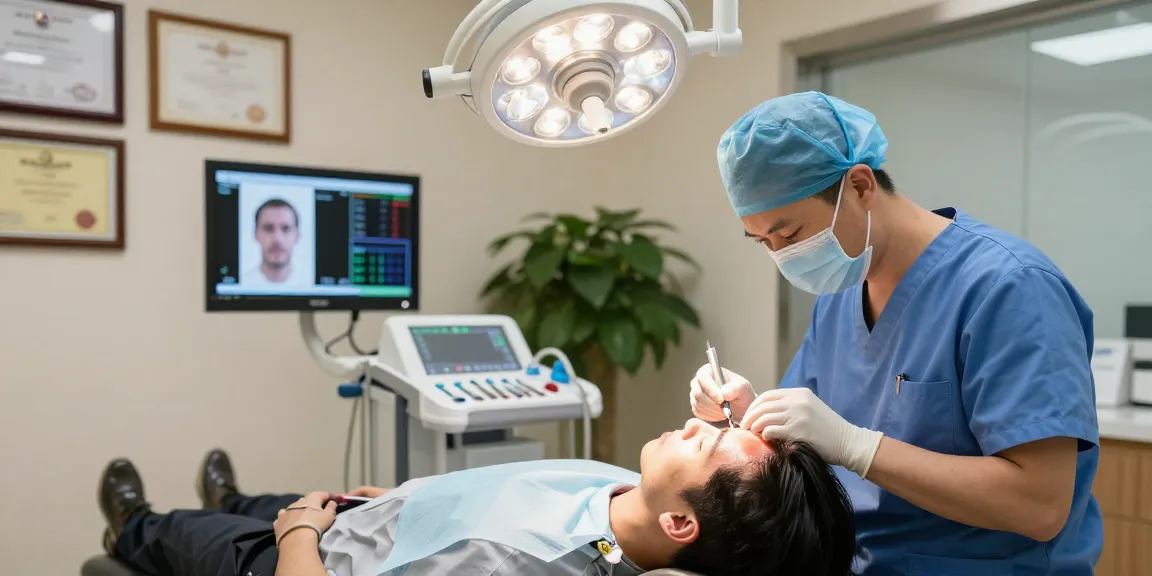
Understanding Hair Transplants: The Basics of Hair Restoration
Hair transplant procedures have gained immense popularity in recent years, particularly in Turkey, where they combine advanced medical practices with affordable pricing. This article aims to provide a comprehensive understanding of hair transplants, focusing on their benefits, procedures, and the unique advantages associated with undergoing treatment in Turkey. When exploring options, hair transplant turkey provides comprehensive insights into the hair restoration journey, making it a popular choice for those seeking effective solutions to hair loss.
What is a Hair Transplant?
A hair transplant is a surgical procedure that involves the removal of hair follicles from a donor site (typically the back of the head) and implanting them into balding or thinning areas. This technique is primarily used for treating male pattern baldness, although it is increasingly popular among women experiencing hair loss as well. The results can produce a natural-looking hairline and density, which can significantly enhance a patient's appearance and self-esteem.
Different Types of Hair Transplants
There are several methods of hair transplant surgery, with the most common being:
- Follicular Unit Extraction (FUE): This method involves harvesting individual hair follicles from the donor area and transplanting them into the recipient site. FUE is known for its minimally invasive nature, leading to less scarring and a quicker recovery.
- Follicular Unit Transplantation (FUT): Also known as strip harvesting, FUT involves removing a strip of scalp from the donor area, from which hair follicles are dissected and transplanted. This method may leave a linear scar but can yield a larger number of grafts in a single session.
- Direct Hair Implantation (DHI): This is a newer technique that uses a specialized pen-like tool to implant hair directly into the scalp. It allows for more precise placement of hair follicles and can minimize trauma to the scalp.
Benefits of Hair Transplant Turkey
Choosing Turkey for a hair transplant offers numerous benefits:
- Cost-Effectiveness: Hair transplants in Turkey are significantly cheaper than in many Western countries, often providing the same level of quality due to lower operational costs.
- Expertise and Experience: Turkish clinics have gained a reputation for excellence in hair restoration, with many surgeons having extensive experience and training in advanced techniques.
- All-Inclusive Packages: Many clinics in Turkey offer comprehensive packages that include the procedure, accommodation, transportation, and aftercare, making it convenient for international patients.
Preparing for Your Hair Transplant in Turkey
Initial Consultation: What to Expect
Your journey begins with an initial consultation, either online or in-person, where the surgeon will assess your hair loss pattern, discuss your goals, and recommend an appropriate treatment plan. They will also explain the process, expected outcomes, and answer any questions you may have, ensuring you're well-informed before proceeding.
Choosing the Right Clinic: Key Considerations
When selecting a clinic in Turkey, consider the following factors:
- Accreditations: Ensure the clinic is accredited by international health organizations, which attests to the quality of care provided.
- Surgeon’s Qualifications: Check the surgeon’s credentials, experience, and patient reviews to gauge their expertise.
- Post-Operative Support: Evaluate the level of aftercare and support offered, as this can significantly impact your recovery and results.
Pre-Procedure Preparations and Guidelines
In the days leading up to the procedure, your surgeon may provide specific instructions to follow, such as avoiding blood thinners like aspirin, quitting smoking, and refraining from alcohol consumption. Adhering to these guidelines helps minimize risks and ensures a smoother surgery.
The Hair Transplant Procedure: Step-by-Step Explained
Understanding the Techniques Used in FUE and FUT
The hair transplant procedure involves several crucial steps, regardless of the technique used:
- Preparation: The area is cleaned and numbed with local anesthesia to ensure comfort during the procedure.
- Harvesting: For FUE, individual hair follicles are extracted with a specialized tool. For FUT, a strip of scalp is removed and divided into grafts.
- Implantation: The harvested follicles are then carefully implanted into the balding areas, following a pattern that mimics natural hair growth.
- Post-Procedure Care: After the procedure, the surgeon will provide instructions on caring for the transplanted area to promote healthy growth.
Post-Operative Care and Recovery Tips
Recovery following a hair transplant is crucial for optimal results. Here are some essential tips:
- Keep the scalp clean and moisturized.
- Avoid strenuous activities that might increase blood flow to the scalp.
- Follow all post-operative instructions provided by your surgeon, including medication and follow-up appointments.
Handling Potential Risks and Complications
While hair transplants are generally safe, some risks include infection, scarring, and unexpected hair loss. It's important to discuss these with your surgeon during the consultation to understand how to minimize them effectively.
Cost Analysis: Hair Transplant Turkey vs. Other Countries
Average Pricing Structures for Hair Transplants
The cost of hair transplants in Turkey typically ranges from $1,500 to $3,500, depending on the technique chosen and the clinic. In comparison, similar procedures in the US or UK can cost anywhere from $4,000 to $15,000, making Turkey a compelling choice for many international patients.
What’s Included in the Cost? Hidden Fees to Watch For
When comparing prices, ensure you understand what is included in the quoted price. Many clinics offer all-inclusive packages covering the procedure, accommodation, and transportation, while others may have hidden fees for aftercare or medication. Always clarify with the clinic before confirming your booking.
Financing Options and Insurance Considerations
While many insurance plans do not cover hair transplants, some Turkish clinics offer financing plans to help patients manage costs. Be sure to inquire about these options during your consultation.
Looking Ahead: The Future of Hair Transplants in Turkey
Emerging Technologies and Techniques in Hair Restoration
The hair restoration industry continues to evolve, with advancements such as robotic-assisted surgeries and improved graft survival techniques leading the way. Clinics in Turkey are at the forefront of adopting these technologies, ensuring a high standard of care.
Trends and Predictions for Hair Transplant Industry by 2026
By 2026, the hair transplant market is expected to grow significantly, driven by increasing awareness and a growing population of individuals seeking effective hair restoration solutions. As techniques improve, so too will patient outcomes and satisfaction rates.
Patient Success Stories: Long-Term Outcomes of Hair Transplants
Numerous patients report satisfaction with their hair transplant results, often noting enhanced confidence and improved quality of life. Many clinics provide before-and-after photos to showcase their success, allowing potential patients to see the possible outcomes of their procedures.
Why Choose Turkey for Your Hair Transplant?
Turkey's appealing combination of affordable prices, highly skilled surgeons, and all-inclusive packages makes it an attractive destination for those considering a hair transplant. The country has established itself as a leading hub for medical tourism in hair restoration, offering exceptional value and results.
Are Hair Transplants Safe in Turkey?
Yes, hair transplants in Turkey are considered safe when performed by accredited clinics with experienced surgeons. However, it's crucial to conduct thorough research and choose a reputable clinic to ensure a safe and effective procedure.
What Should I Know Before Booking My Hair Transplant?
Before booking a hair transplant, it's important to gather as much information as possible about the clinic, the surgeon's qualifications, and patient reviews. Understanding the procedure, what to expect during recovery, and the long-term commitment involved will prepare you for a successful experience.
How to Evaluate Hair Transplant Results?
Evaluating hair transplant results involves looking for natural hair density, uniform hair growth, and maintaining a natural hairline. Follow-ups with your surgeon can also help monitor progress and address any concerns post-surgery.
What Aftercare is Needed Post-Transplant?
Aftercare is essential for the success of your hair transplant. This includes regular follow-ups with your surgeon, following their aftercare guidelines, and being patient as the transplanted hair grows and settles into place, usually taking several months for full results to be visible.