Understanding Copper Peptide GHK-Cu
As the world increasingly turns to scientifically backed skincare solutions, copper peptide GHK-Cu has emerged as a pivotal ingredient due to its remarkable properties. Recognized for its ability to promote skin health, this powerful peptide is garnering attention for its multifaceted benefits that go beyond standard skincare routines. In this article, we will delve into what GHK-Cu is, its various sources, and its widespread applications, particularly in the realm of skincare.
What is Copper Peptide GHK-Cu?
Copper peptide GHK-Cu is a naturally occurring tripeptide composed of the amino acids glycine, histidine, and lysine, complexed with copper ions. Found abundantly in human plasma, saliva, and urine, this peptide has captivated researchers due to its healing properties. It has a unique ability to bind with copper, facilitating various physiological processes that are essential for maintaining skin integrity and youthful appearance.
GHK-Cu has been studied extensively for its role in cellular regeneration, making it invaluable in skincare formulations aimed at repairing damaged skin. Its biological functions span from enhancing collagen and elastin production to modulating inflammatory responses, thereby providing a robust mechanism for skin rejuvenation.
Sources and Production of GHK-Cu
Natural sources of GHK-Cu include human tissues where it is synthesized endogenously, particularly during the early stages of life. However, as we age, the concentration diminishes, leading to various skin issues. The peptide can also be synthesized artificially for use in cosmetic formulations, ensuring a consistent supply. Manufacturers utilize advanced biotechnological methods to produce GHK-Cu, allowing for high-purity applications that maximize efficacy in skincare products.
Common Uses in Skincare
GHK-Cu has been incorporated into numerous skincare products, including serums and creams, renowned for its ability to enhance skin texture and tone. Its primary applications focus on:
- Wound Healing: Promotes faster recovery of skin injuries.
- Anti-Aging Treatments: Reduces the appearance of fine lines and wrinkles.
- Skin Elasticity: Increases firmness and elasticity.
- Hair Growth: Potentially stimulates hair follicle activity.
Benefits of GHK-Cu for Skin Health
As the cosmetic industry continues to innovate, GHK-Cu stands out due to its extensive benefits for skin health. Here, we explore its most significant contributions to skincare.
Collagen Synthesis and Skin Repair
One of the most important functions of GHK-Cu is its role in stimulating collagen synthesis. Collagen is a vital structural protein that provides skin with strength and decreases visibility of wrinkles and fine lines. Research shows that GHK-Cu can increase collagen production by up to 300%, making it an effective ingredient for skin repair and rejuvenation. By enhancing the skin's reparative processes, GHK-Cu is integral in maintaining overall skin health.
Anti-Aging Properties
In the realm of anti-aging skincare, GHK-Cu is often touted as a miracle worker. Its ability to promote collagen and elastin synthesis translates into notable improvements in skin firmness, texture, and tone. The peptide not only reduces wrinkles but also diminishes sun damage and promotes a more youthful appearance, making it a staple in anti-aging formulations.
Impact on Skin Elasticity and Firmness
As individuals age, loss of skin elasticity becomes apparent. GHK-Cu enhances the production of elastin, a protein responsible for skin's elasticity, helping to maintain a supple and resilient complexion. Improved skin elasticity leads to a more youthful look and reduces sagging, allowing the skin to bounce back from signs of aging.
How to Use GHK-Cu Products Effectively
To maximize the benefits of GHK-Cu, understanding how to incorporate it into your skincare routine is essential. Below are effective application techniques and tips.
Application Techniques for Optimal Results
When using GHK-Cu serums or creams, applying products after cleansing and toning is crucial. Applying on damp skin can enhance absorption. Gently pat the product onto the skin rather than rubbing it in to avoid irritation and promote deeper penetration.
Regular use, typically twice daily, helps maintain consistent levels in the skin, leading to enhanced long-term results.
Combining GHK-Cu with Other Ingredients
GHK-Cu works synergistically with several other skincare ingredients. Pairing it with antioxidants such as vitamins C and E can enhance its protective effects against oxidative stress. Additionally, combining it with hyaluronic acid can boost hydration, leading to plumper skin. Always patch test new combinations to ensure compatibility.
Dosage Recommendations and Frequency
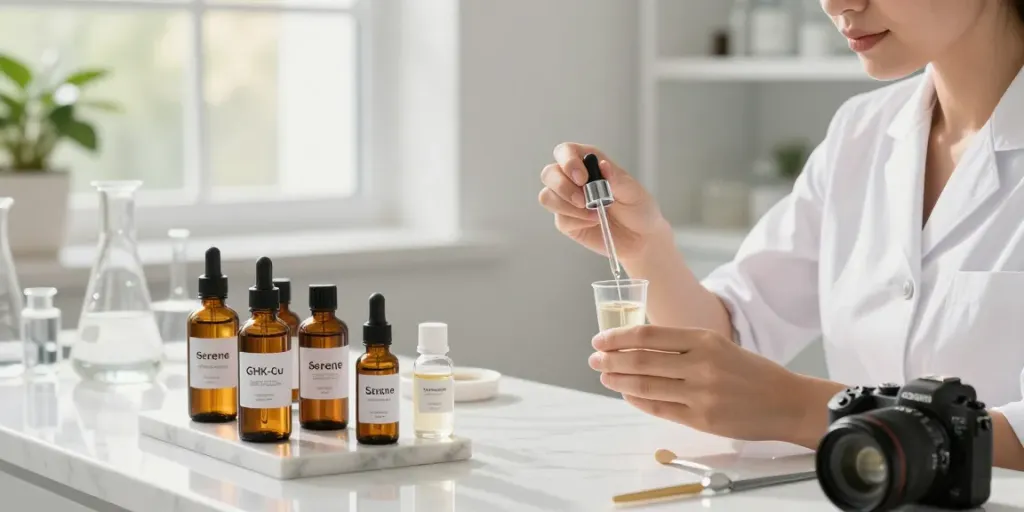
For optimal results, most formulations recommend applying 2-5 drops of GHK-Cu serum directly to the face and neck. It is advisable to start with once daily applications and increase to twice daily if your skin tolerates it well. Consistency is key for experiencing the full benefits of GHK-Cu.
Challenges and Considerations in GHK-Cu Use
While GHK-Cu is widely regarded as safe and effective, there are some challenges and considerations users should be aware of before incorporating it into their routines.
Possible Side Effects and Precautions
Although rare, some individuals may experience minor irritation or allergic reactions to GHK-Cu. It is crucial to patch test any new product on a small area of skin prior to full application. If there is any adverse reaction, discontinue use and consult a dermatologist.
Debunking Myths about Copper Peptides
There are several misconceptions surrounding copper peptides like GHK-Cu. One common myth is that they can cause skin irritation due to their copper content. However, when properly formulated, GHK-Cu is safe for most skin types. Additionally, it's essential to separate fact from fiction regarding the efficacy of copper peptides in skincare, emphasizing the importance of reliable scientific data.
Regulatory and Quality Assurance Issues
As with any active ingredient in cosmetics, the regulatory landscape can be complex. It's vital for consumers to procure GHK-Cu products from reputable brands that adhere to stringent quality control measures. Understanding the source and production methods can help ensure the product's efficacy and safety.
Future Trends and Innovations in GHK-Cu Research
Research into GHK-Cu's potential applications continues to evolve rapidly, opening doors to new possibilities in both cosmetics and healthcare.
New Applications in Healthcare and Cosmetics
Beyond skincare, emerging studies indicate that GHK-Cu may have applications in wound healing and tissue regeneration. Its potential role in treating skin conditions like acne, rosacea, and even hair loss is garnering interest, prompting further investigation into its multifaceted benefits.
Emerging Scientific Studies on GHK-Cu
Recent studies have reinforced GHK-Cu's role in skin healing and regeneration. Ongoing research aims to elucidate its mechanisms of action and explore how it can be optimized for therapeutic uses, further solidifying its place in advanced skincare products.
Predictions for the GHK-Cu Market by 2026
With growing consumer demand for effective anti-aging solutions, the GHK-Cu market is projected to expand significantly. As more brands adopt this ingredient into their formulations, consumers can expect a broader range of products that deliver proven results, solidifying GHK-Cu's status as a staple in the skincare arsenal.
What does GHK copper peptide do?
GHK copper peptide is known for its ability to stimulate collagen production, enhance skin repair, and provide anti-inflammatory effects, significantly benefitting skin health.
What are the downsides of copper peptides?
Though generally well-tolerated, possible downsides include skin irritation for sensitive individuals or interactions with certain active ingredients in some formulations.
How long does it take for GHK-Cu to work?
Users may begin to notice improvements in skin texture and firmness within a few weeks of consistent use, though optimal results typically require continuous application over several months.
Are GHK-Cu and copper peptides the same?
GHK-Cu is a specific type of copper peptide; however, not all copper peptides are GHK-Cu. Each type may have different properties and uses.
Can GHK-Cu help with hair growth?
Emerging research suggests that GHK-Cu may promote hair growth by activating hair follicle stem cells and increasing hair density, though further studies are needed to confirm these effects definitively.