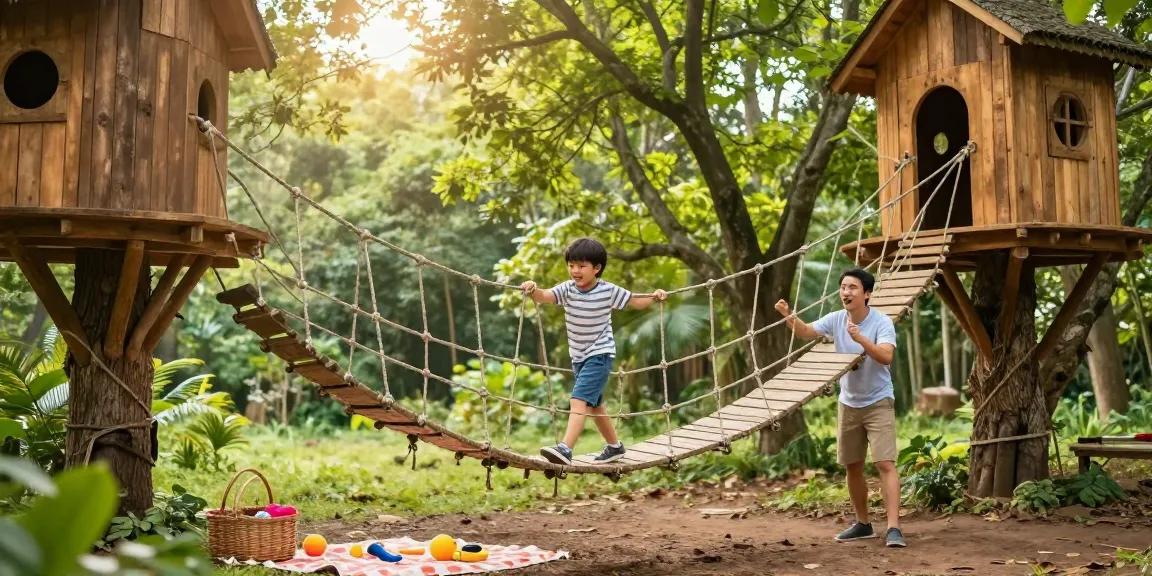
Understanding the Basics of Rope Bridges
Rope bridges have long been a fascinating aspect of both engineering and recreational activities. From their historical significance in connecting remote areas to their modern-day applications in adventure parks and backyards, these structures blend functionality with excitement. A well-built rope bridge not only offers a unique way to navigate challenging terrains but also adds a playful element to outdoor spaces. When exploring options, Rope Bridge designs can inspire creativity and adventure.
What is a Rope Bridge?
A rope bridge is a type of bridge that uses ropes or cables to support the structure. These bridges are known for their flexibility and lightweight construction, making them ideal for spanning gaps in various terrains, including rivers, valleys, and forests. Typically, rope bridges consist of a series of ropes, wooden planks, or netting, providing a stable yet dynamic walking surface. Their design allows for quick assembly and disassembly, making them popular for temporary use in hiking trails or adventure courses.
Key Components of Rope Bridges
The fundamental components of a rope bridge include:
- Ropes: These provide the primary support and need to be strong and durable.
- Decking: The surface on which people walk can be made from wooden planks or mesh to allow drainage.
- Anchoring Systems: Essential for stability, these systems secure the bridge to the ground or surrounding structures.
- Handrails: Safety features that help users maintain balance, especially on high or wobbly bridges.
Historical Context and Modern Uses
Historically, rope bridges have been used by various cultures around the world, particularly in remote areas where traditional construction materials were scarce. The Inca civilization, for example, constructed impressive rope bridges using grass and vines to connect their vast empire. In contemporary times, these bridges have found a new lease of life in adventure parks, children's playgrounds, and as hiking trail features, bringing excitement and a sense of adventure to outdoor activities.
Choosing the Right Materials for Your Rope Bridge
Choosing the right materials is crucial for the success and safety of your rope bridge. The durability and strength of the materials will directly impact the longevity and safety of the bridge. Consider the following factors when selecting materials:
Types of Ropes: Strength and Durability
When selecting ropes for your bridge, consider factors such as tensile strength, abrasion resistance, and weather durability. Polyester ropes are often recommended due to their high strength and moisture resistance, making them suitable for outdoor use. If you are constructing a more permanent bridge, synthetic ropes like nylon or polypropylene may also be considered for their longevity and resistance to environmental factors.
Wood Types for Structural Stability
For the decking and structural components, hardwoods like oak or treated pine are excellent choices due to their strength and natural resistance to rotting. Ensure that any wood used has been properly treated to withstand the elements, particularly if the bridge will be subjected to rain or humidity.
Safety Features: Ensuring Secure Construction
Safety should always be a priority when building a rope bridge. Incorporate features such as secure handrails, sturdy anchoring systems, and non-slip surfaces. Regular inspections and maintenance are also essential to ensure the bridge remains safe for use.
Designing Your Rope Bridge
Design is a critical aspect of any rope bridge project. A well-planned design not only enhances aesthetics but also improves safety and functionality.
Measuring Distances and Heights
Accurate measurements are crucial in the design process. Measure the distance between anchor points and the height of the bridge above the ground or water to ensure structural integrity and safety. This will also help you determine the type and length of ropes required for your build.
Common Design Patterns and Their Benefits
There are various design patterns that can be employed when constructing a rope bridge. Some popular designs include:
- Suspension Bridges: These feature cables that support the deck, allowing for longer spans between anchor points.
- Tension Bridges: These have a series of ropes tightly pulled to create a stable walking surface.
- Deck Bridges: These are straightforward and provide direct support with a flat surface.
Choosing the right design depends on the specific needs and site conditions.
Incorporating Safety and Aesthetics
While functionality is key, aesthetics should also be considered in your design. Choose materials and colours that complement the surrounding environment. Add decorative elements, such as carved wooden posts or vibrant ropes, to make your rope bridge an attractive feature in your landscape.
Step-by-Step Guide to Building Your Rope Bridge
Building a rope bridge can be a rewarding project if approached systematically. Here’s a step-by-step guide to help you through the process.
Gathering Tools and Preparing the Site
Before starting construction, gather the necessary tools, including ropes, decking materials, anchors, and safety gear. Clear the chosen site of any debris, ensuring a safe and accessible working environment.
Assembling Your Rope Bridge Structure
Begin by creating a sturdy anchoring system at both ends of the bridge. Attach your ropes securely and then add the decking material. Ensure that each component is tight and secure to prevent any sagging or movement during use.
Testing for Safety and Stability
Once constructed, conduct thorough testing to ensure the safety and stability of the bridge. Check for any swaying or instability and make adjustments as needed. It’s advisable to have a qualified individual inspect the bridge before allowing users to cross.
Maintenance and Safety Considerations
Regular maintenance is essential to keep your rope bridge in safe working condition. Follow these guidelines to ensure longevity and safety:
Regular Inspections and Repairs
Periodically inspect the bridge for wear and tear, focusing on the ropes, decking, and anchoring systems. Any signs of fraying or damage should be addressed immediately to prevent accidents.
Addressing Environmental Impact
Consider the environmental impact of your rope bridge. Ensure that the construction process does not disrupt local wildlife or vegetation. It’s also wise to choose eco-friendly materials wherever possible.
Teaching Safe Use to Children
If your rope bridge is intended for children, educating them on safe use is crucial. Set clear rules about how to use the bridge, including guidelines on weight limits and behaviour while crossing.
What is a rope bridge called?
Rope bridges are often referred to as suspension bridges, particularly when they use cables to support the walking surface. They can also be called tension bridges or simply rope walkways, depending on their design and construction methods.
How do you make a rope bridge?
To make a rope bridge, you first identify your anchor points, gather the necessary materials (ropes, decking, etc.), and then construct the anchoring system. Following that, you secure the ropes and attach the decking, ensuring everything is stable and secure. Don’t forget the importance of safety inspections once your bridge is completed.
What type of rope is best for a rope bridge?
Choosing the right type of rope is vital for the safety and durability of your bridge. As mentioned earlier, polyester ropes are often favoured for their strength and weather resistance. Additionally, ensure that the rope chosen can withstand the expected load and environmental conditions.