Understanding Septic Systems
Septic systems play a crucial role in managing wastewater, especially in areas not served by municipal sewage systems. With the right maintenance, these systems can operate efficiently for many years. In this article, we will delve into the workings of septic systems, the importance of regular septic tank pumping, and how to select the right service providers for your needs. By understanding these key components, homeowners can ensure the longevity of their septic systems while safeguarding the environment.
What Is a Septic Tank?
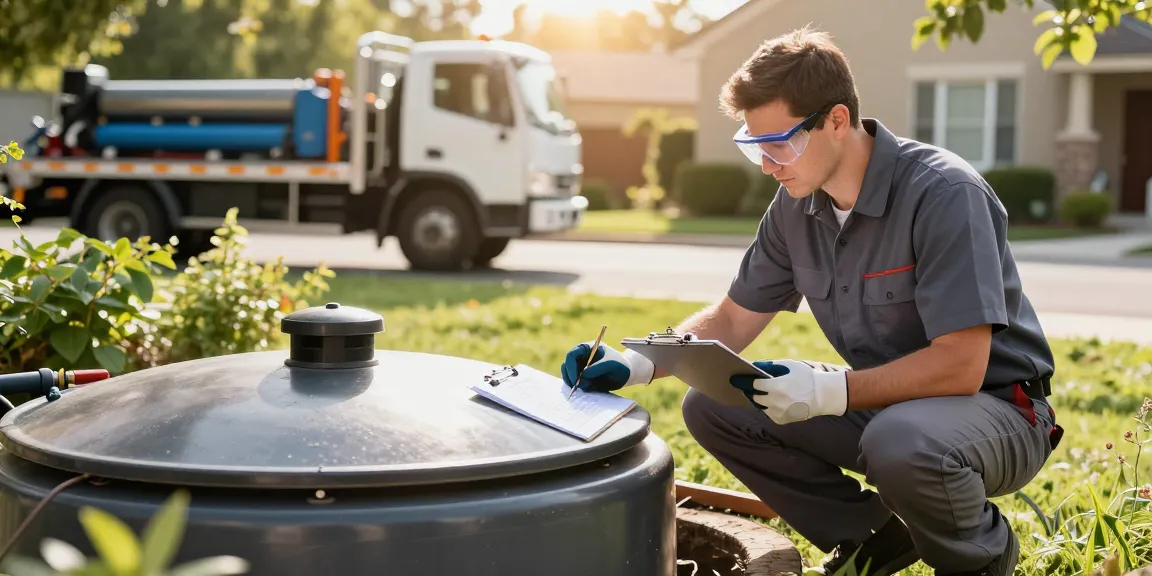
A septic tank is an underground wastewater treatment system that collects and decomposes organic waste from households. Typically made of concrete, fiberglass, or polyethylene, septic tanks are designed to hold sewage long enough for solid waste to settle, allowing liquid waste to flow into a drain field for further treatment. They are essential for homes situated in rural areas where access to municipal sewage systems is limited.
Components of a Septic System
A well-functioning septic system comprises several key components:
- Septic Tank: This is the main holding unit where solids settle at the bottom and wastewater flows out to the drain field.
- Dosing Chamber: In some systems, this chamber helps distribute effluent evenly into the drain field.
- Drain Field: Also known as a leach field, this is where treated wastewater is absorbed into the soil.
- Piping: Connects the septic tank to the drain field and transports wastewater appropriately.
- Soil: Acts as a natural filtration system for treated effluent before it re-enters the groundwater.
How Septic Systems Work
The septic system functions through a series of steps. Wastewater flows from the home into the septic tank, where solids settle at the bottom, forming sludge. Meanwhile, lighter materials, such as fats and oils, float to the top, forming scum. The middle layer, known as effluent, exits the tank and enters the drain field for further filtration and treatment by the soil. This biological process ensures that harmful pathogens and chemicals are neutralized, making the wastewater safe to return to the environment.
The Importance of Regular Septic Tank Pumping
Regular septic tank pumping is essential to maintain the efficiency of your septic system and avoid costly repairs. Many homeowners underestimate the importance of keeping their tank clear of excess sludge and scum build-up. When exploring options, septic tank pumping IE provides comprehensive insights into the benefits of timely maintenance and how to choose the right service.
Benefits of Timely Maintenance
Regular pumping of your septic tank has several benefits, including:
- Preventing system backups and malfunctions.
- Extending the lifespan of the septic system.
- Reducing the risk of costly repairs or replacements.
- Improving the efficiency of wastewater treatment.
- Protecting groundwater and surrounding environments from contamination.
Consequences of Neglecting Pumping
Neglecting to pump your septic tank can lead to severe consequences, including:
- System backups that may cause raw sewage to surface in your yard or back up into your home.
- Increased stress on the drain field, leading to premature system failure.
- Environmental contamination that can affect local water sources and ecosystems.
- Higher long-term costs due to emergency repairs and reduced property value.
How Often Should You Pump Your Septic Tank?
Most experts recommend pumping your septic tank every 3 to 5 years, but this can vary based on several factors, including:
- The size of your household and the amount of wastewater generated.
- The size of the septic tank itself.
- The presence of a garbage disposal, which can increase solid waste.
- Water usage habits.
Keeping track of your system's performance and monitoring for any signs of failure can help you determine the best pumping schedule.
Finding Reliable Septic Tank Pumping Services
Choosing the right septic tank pumping service is vital for maintaining your system's efficiency. With numerous service providers available, it is essential to know what to look for to ensure you're making a wise choice.
What to Look For in a Service Provider
When searching for septic tank pumping services, consider the following:
- Experience and reputation in the industry.
- Certifications and licenses confirming their expertise.
- Positive customer reviews and references.
- Transparent pricing without hidden fees.
- Availability of emergency services.
Questions to Ask Potential Contractors
Before hiring a contractor, it’s crucial to ask pertinent questions to ensure you make an informed decision. Consider asking:
- How often do you recommend pumping based on my system's specifications?
- What is included in the service? Are there additional charges for certain tasks?
- Can you provide references from previous clients?
- What safety measures do you have in place while performing the work?
- Do you offer any warranties or guarantees on your work?
Comparing Costs and Services
When evaluating different service providers, it’s essential to compare both costs and services. Get quotes from multiple companies and ensure that the estimates include:
- The cost of pumping the tank.
- Inspection of the septic system.
- Details on what materials will be used, if any repairs are needed.
- Any potential extra costs for larger systems or additional pumping.
Understanding these factors can help you avoid surprises and budget appropriately for your maintenance needs.
DIY Vs. Professional Septic Tank Pumping
Many homeowners wonder whether they can manage septic tank pumping on their own or if they should hire professionals. Here, we will explore the benefits of each approach.
When to Consider DIY Maintenance
Some minor maintenance tasks can be performed by homeowners, such as:
- Regularly checking for any signs of leaks or flooding around the septic tank and drain field.
- Keeping detailed records of maintenance, water usage, and any repairs done.
- Using water-efficient appliances to minimize the pressure on the system.
However, DIY pumping is generally not recommended due to the complexity and risks involved.
Benefits of Hiring Professionals
Hiring a professional septic service has numerous advantages:
- Expert knowledge and experience in handling various septic systems and issues.
- Proper equipment for safe and effective pumping and maintenance.
- Assessment of potential problems, which can prevent costly repairs in the future.
- Adherence to local regulations and guidelines for proper disposal.
Safety Considerations and Best Practices
Safety is paramount when dealing with septic systems. Some critical safety considerations include:
- Wearing protective gear when working near sewage.
- Ensuring proper ventilation when handling septic materials.
- Understanding local regulations and disposal guidelines.
Following best practices not only protects your health but also helps maintain the integrity of your septic system.
Future Trends in Septic Tank Maintenance
The septic industry is rapidly evolving, influenced by technological advancements and sustainability initiatives. Here are some trends to watch for in the coming years.
Technological Advances in Septic Services
Technology is reshaping how septic systems are maintained and monitored. Innovations include:
- Smart Septic Systems: These use sensors to monitor tank levels and send alerts for maintenance needs.
- Advanced Filtration Systems: New materials and methods improve the treatment of effluent before it reaches the drain field, enhancing performance and longevity.
- Mobile Applications: Some service providers now offer apps for customers to track their septic system maintenance history and schedule pumpings easily.
Sustainability Practices for Septic Systems
As environmental awareness grows, more homeowners and service providers are adopting sustainable practices:
- Using eco-friendly products that reduce harm to septic systems and groundwater.
- Promoting water conservation efforts to minimize waste generation and prolong tank lifespan.
- Implementing rainwater harvesting systems to reduce reliance on septic systems.
Expert Insights on Industry Changes for 2026
Experts anticipate several changes in septic tank technologies and regulations by 2026:
- Increased regulations on the materials used in septic system construction and maintenance.
- More stringent environmental protections related to wastewater treatment.
- Advancements in public awareness campaigns about septic care and the importance of regular maintenance.
Staying informed about these changes can help homeowners adapt and ensure their septic systems operate effectively in the future.
What is the average cost of septic tank pumping?
The average cost for septic tank pumping ranges from $200 to $500, depending on factors such as the size of the tank, location, and the service provider. Regular maintenance can prevent more costly repairs down the line, making timely pumping a worthwhile investment.
How can I tell if my septic tank needs pumping?
Signs that your septic tank may need pumping include:
- Unpleasant odors near the septic tank or drain field.
- Slow drains or backups in your plumbing fixtures.
- Pooling water or wet spots in your yard above the drain field.
- Gurgling sounds in the plumbing system.
What are the signs of septic tank failure?
Common signs of septic tank failure may include:
- Persistent drains that are slow or completely clogged.
- Frequent backups in the home.
- Unpleasant odors emanating from the septic area.
- Vegetation growth or lush patches around the drainage field.
Are there eco-friendly septic pumping options?
Yes, many companies now offer eco-friendly pumping options that use biodegradable additives or natural enzymes to enhance waste breakdown and minimize environmental impact. These methods not only benefit the septic system but also help protect groundwater quality.
How do I maintain my septic system between pumpings?
To maintain your septic system between pumpings, consider these tips:
- Avoid flushing non-biodegradable items, such as wipes or feminine products.
- Reduce water usage and spread out heavy water use over the week.
- Consider using septic-safe cleaners and products.
- Keep the area surrounding the septic tank clear of plants and debris.
By implementing these best practices, homeowners can help ensure the optimal functioning of their septic systems and maintain their property’s value.