
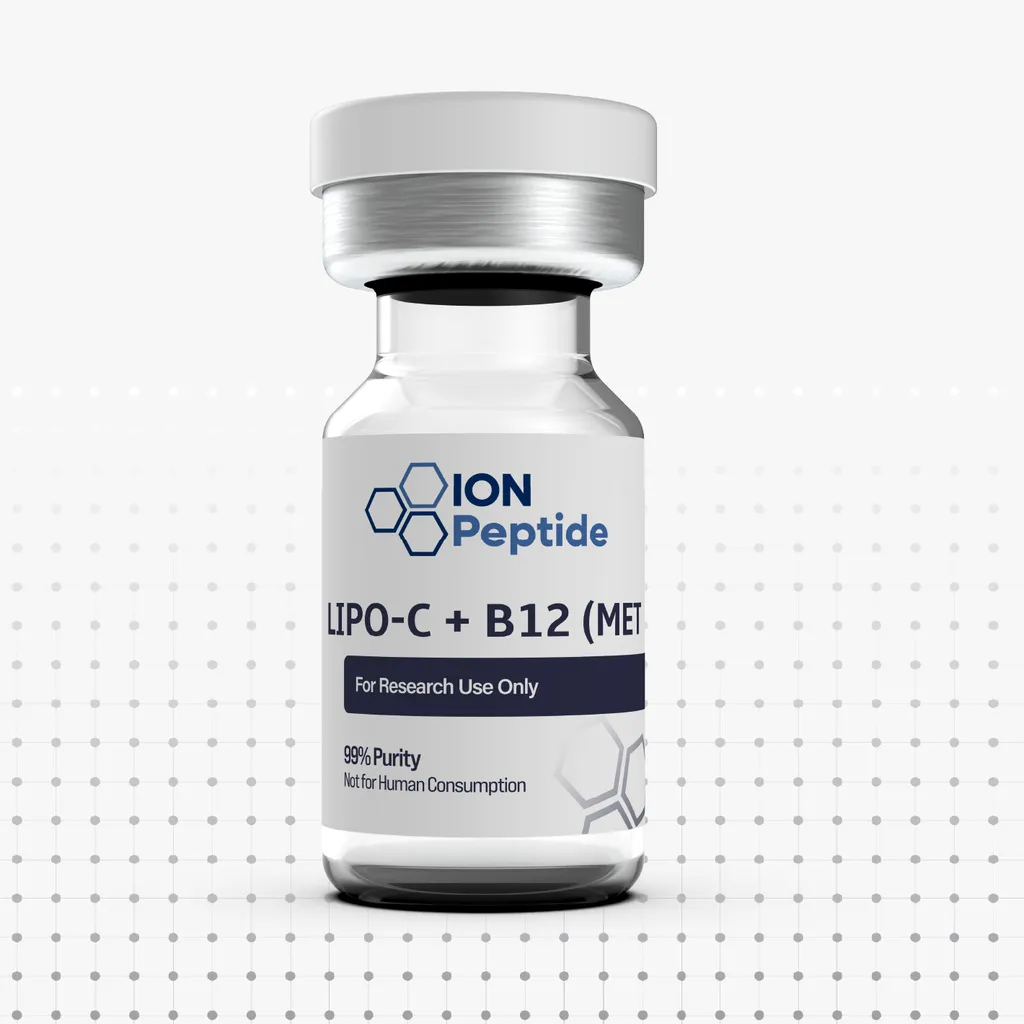
Ion Peptide emphasizes transparent quality practices, clear documentation, and responsible handling of research-grade materials. Ion Peptide understands that researchers evaluating lipo c peptide may need reliable batch information, analytical records, and traceability details before incorporating a material into a laboratory workflow. Ion Peptide therefore focuses on documentation and verification processes that help researchers understand the characteristics of an individual batch without making unsupported claims about biological performance, safety, or therapeutic effectiveness.
Understanding Research-Grade Quality Standards
Research-grade quality standards provide a framework for evaluating materials intended for laboratory investigation. Rather than relying on a product description alone, researchers can consider several factors, including identity, purity, batch traceability, analytical methodology, storage information, and documentation.
For lipo c peptide, these factors are especially relevant when researchers need to maintain consistent laboratory records. A clearly identified batch makes it possible to connect a physical sample with its corresponding analytical information. This approach can also make it easier to distinguish between different production lots.
Ion Peptide supports a documentation-focused quality model in which available analytical information is associated with specific batches. This helps researchers review evidence in context instead of assuming that a single analytical result applies to every production lot.
Why Batch Identification Matters
A batch or lot number serves as an important reference point for research materials. It can connect the material in a laboratory inventory with its production and analytical records.
When receiving lipo c peptide, researchers can record the batch number, product description, quantity, date received, and relevant storage information. Maintaining these details provides a clearer chain of traceability throughout the research process.
Identity Verification Process
Identity verification is one of the fundamental components of research-material characterization. The purpose is to determine whether the tested sample corresponds to the expected compound according to an appropriate analytical method.
For lipo c peptide, identity information should ideally be connected directly to the batch being evaluated. Analytical techniques may vary depending on the material and testing laboratory. Methods such as mass spectrometry can be used in appropriate laboratory settings to provide information relevant to molecular identity.
Ion Peptide emphasizes the importance of reviewing the complete analytical record rather than relying on a product name or isolated statement. Researchers should consider the reported method, sample identification, testing date, and other available details when evaluating identity documentation.
Interpreting Analytical Results
Analytical results should always be interpreted within the context of the method used. Different analytical techniques answer different questions, and no single test necessarily provides a complete characterization of a research material.
For lipo c peptide, researchers should examine whether the analytical documentation clearly identifies the tested batch and explains the testing approach. This provides greater context for evaluating the available evidence.
Purity Assessment and Documentation
Purity is another commonly reviewed characteristic of research-grade peptide materials. Depending on the analytical program, chromatographic methods may be used to estimate the relative proportion of the expected peptide-related material within a tested sample.
When evaluating lipo c peptide, researchers should look beyond a single purity percentage. The analytical technique, laboratory, sample identification, and reporting conditions can all influence how a result should be interpreted.
Ion Peptide treats purity information as analytical data rather than as a guarantee of biological activity or suitability for human use. A laboratory report can describe measured characteristics, but researchers should avoid interpreting routine purity testing as proof of therapeutic effectiveness.
The Role of Analytical Reports
A useful analytical report should provide enough information to connect the result with the material tested. Depending on the testing program, documentation may include the batch number, analytical method, testing date, reported result, and laboratory information.
For lipo c peptide, these details help researchers determine whether a report actually corresponds to the sample in their possession. Maintaining the report alongside inventory records can also improve laboratory organization.
Independent Verification
Independent verification can add another layer of analytical information to a research-grade quality process. An external laboratory may analyze a representative sample using suitable analytical procedures and issue an independent report.
Ion Peptide views independent verification as a transparency measure rather than a universal guarantee of product quality. The usefulness of third-party testing depends on the quality of the testing process, the suitability of the analytical method, and the ability to connect the results with the correct batch.
Researchers reviewing lipo c peptide documentation should confirm that any independent report identifies the same batch or lot. A report without clear batch-level identification may provide limited value for traceability.
Benefits of Third-Party Testing
Independent analysis can provide researchers with another source of information when evaluating a research material. It may be particularly useful when a laboratory has internal quality-control requirements or needs additional documentation.
However, independent verification should be considered alongside manufacturing documentation, identity testing, purity analysis, storage records, and other relevant information.
Storage and Handling Standards
Quality verification does not end with laboratory testing. Storage and handling are also important parts of maintaining research materials in an appropriate condition.
Researchers working with lipo c peptide should follow applicable supplier storage recommendations and established laboratory procedures. Factors such as temperature, moisture, light exposure, container integrity, and repeated handling may be relevant depending on the material.
Ion Peptide encourages organized inventory practices that document when a batch is received and where it is stored. These records can complement analytical documentation and improve traceability throughout the research workflow.
Maintaining Laboratory Records
Good recordkeeping can help researchers identify which batch was used during a particular research activity. A laboratory inventory may include the product name, batch number, receipt date, storage location, and relevant analytical documentation.
For lipo c peptide, maintaining these records can reduce the possibility of confusing one production lot with another. It also makes future documentation reviews more straightforward.
Developing a Verification Workflow
A structured verification workflow can begin when a research material arrives at the laboratory. First, researchers can verify the product name and batch identifier. Second, they can compare the physical packaging with the available documentation.
The next step is to review analytical information, including identity and purity results where available. Researchers can then determine whether independent testing or additional documentation is available for the same batch.
Ion Peptide supports this type of systematic approach by emphasizing traceability and evidence-based documentation. Researchers evaluating lipo c peptide can retain relevant reports with their inventory records and review analytical information according to their own laboratory requirements.
Documentation Checklist
A practical documentation review can consider:
- Product and material identification
- Batch or lot number
- Production or release information
- Identity-testing information
- Purity-testing information
- Analytical methodology
- Testing date
- Independent laboratory reports when available
- Storage recommendations
- Laboratory inventory records
Using these categories can help researchers create a consistent process for evaluating research-grade materials.
Transparency and Responsible Research
Transparent quality information is valuable because it allows researchers to understand what has actually been tested and documented. It also helps distinguish analytical evidence from claims that cannot be established through routine testing.
For lipo c peptide, researchers should evaluate available information according to the specific batch rather than assuming that generalized product statements apply to every production lot.
Ion Peptide emphasizes responsible communication around analytical results. Documentation can provide useful evidence about identity, purity, and traceability, but it should not be presented as proof of clinical safety, therapeutic effectiveness, or human-use suitability.
Frequently Asked Questions
1. What does research-grade quality mean for lipo c peptide?
Research-grade quality generally refers to material that is documented and characterized for laboratory research purposes. Evaluation may include identity, purity, batch traceability, analytical testing, and storage information. It does not automatically indicate approval for human or clinical use.
2. Why is batch documentation important?
Batch documentation connects a specific physical material with its production and analytical records. This helps researchers distinguish different lots, maintain accurate inventories, and determine which analytical information applies to a particular sample.
3. What is the purpose of purity testing?
Purity testing provides analytical information about the composition of a tested sample according to a specific method. The result should be interpreted alongside the analytical technique and other documentation rather than being treated as proof of safety or effectiveness.
4. Is independent verification necessary?
Independent verification is not necessarily required for every research workflow, but it can provide additional analytical information. Researchers can determine whether third-party testing fits their internal quality-control requirements and should confirm that the report corresponds to the relevant batch.
5. How should lipo c peptide documentation be maintained?
Researchers can retain the product name, batch number, analytical reports, receipt information, storage records, and relevant laboratory notes together. Organized documentation improves traceability and makes future quality reviews easier.
Conclusion
A reliable verification process combines batch identification, analytical testing, documentation, storage controls, and appropriate interpretation of results. For lipo c peptide, researchers can strengthen their quality-control practices by reviewing identity information, purity data, analytical methods, and batch-specific records. Ion Peptide emphasizes transparency and traceability so that researchers can evaluate available evidence according to the individual production lot. Independent verification can provide an additional analytical perspective when appropriate, while organized inventory and storage records help maintain continuity after the material reaches the laboratory. Ultimately, Ion Peptide's documentation-centered approach encourages researchers to evaluate research-grade materials using clear, batch-specific evidence rather than unsupported generalizations. Ion Peptide also emphasizes that analytical documentation should be interpreted within its intended research context and should not be treated as evidence of clinical safety or therapeutic performance.