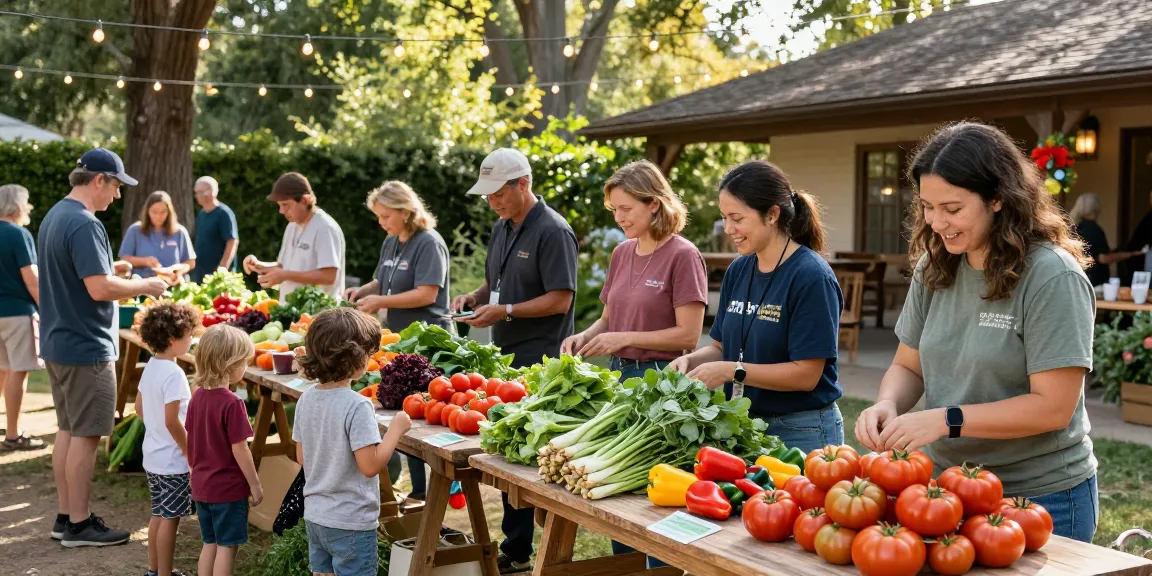
The Role of Sonoma Springs Hall in Local Food Distribution
The Sonoma Springs Hall serves as a vital hub for community engagement and food distribution, particularly within the context of a growing awareness around food cooperatives. By leveraging local agriculture and support networks, the Hall plays a significant role in addressing food insecurity and promoting healthy eating habits among residents. One remarkable initiative is the Farmer's Friend program, which connects local farmers with community members in need of fresh, organic produce. This innovative model of food distribution not only reduces waste but also fosters stronger relationships between consumers and producers. For detailed insights on community initiatives, visit springshall.org.
Understanding the Farmer's Friend Program
The Farmer's Friend program exemplifies how a community can come together to tackle food insecurity. Established during a critical time of need, this program has successfully gleaned and distributed thousands of pounds of fresh produce to those who need it most. Local farms participate by donating excess produce, while volunteers assist in the collection and distribution processes. This not only ensures that high-quality, organic food reaches underserved populations but also supports local agriculture, providing farmers with an avenue to share their harvests.
Impact of Food For All on Community Health
Collaborating closely with organizations such as Food For All/Comida Para Todos, Springs Hall has facilitated significant improvements in community health outcomes. By providing access to nutritious food, they empower families to make healthier choices, thereby fostering a better quality of life. Furthermore, these partnerships enable the Hall to distribute essential items beyond food, including hygiene supplies and household necessities, addressing a broader range of needs within the community.
Success Stories from Recent Food Distributions
The impact of these initiatives can be seen through numerous success stories that highlight the power of community involvement. For instance, recent distributions have included a variety of seasonal vegetables and fruits, such as leeks, carrots, and local citrus, which have delighted recipients. Community members often express gratitude not just for the food, but for the sense of community and support that accompanies it. Such stories are a testament to how collective efforts can create positive change.
How Community Support Shapes Local Agriculture
Community support is essential for sustaining local agriculture, especially in regions where small-scale farms are increasingly challenged by market pressures. By supporting and promoting local producers, the Springs Hall enables a dynamic agricultural ecosystem that benefits both farmers and consumers. The Hall's initiatives encourage residents to invest in their local food systems and foster loyalty to local businesses.
Engagement with Local Farmers and Producers
Engagement with local farmers is a cornerstone of the Springs Hall's mission. Initiatives like the Farmer’s Friend program not only enhance food access but also educate community members about the benefits of supporting local producers. Regular farmers' markets and workshops further enhance this engagement, enabling consumers to connect directly with those who grow their food.
Volunteer Opportunities: Getting Involved at Springs Hall
Volunteering at Springs Hall provides individuals with the opportunity to contribute actively to the community. Opportunities range from assisting with food distributions to organizing events that promote local agriculture. Volunteers often find that their involvement not only benefits others but also enriches their own lives through a sense of purpose and connection.
Donations and Their Impact on Local Farms
Donations to Springs Hall have a direct impact on local farms, allowing them to continue their vital work in producing fresh, sustainable food. These contributions help cover operational costs for programs like Farmer’s Friend and facilitate the purchase of additional supplies needed for distributions. As such, community members are encouraged to support local farms through direct donations or by participating in fundraising events.
Highlighting Food Cooperatives: A New Trend?
Food cooperatives are an emerging trend in the Sonoma Valley, reflecting a growing desire for community-driven food systems. These cooperatives empower individuals by giving them a stake in their food sources, fostering an environment of collaboration and shared responsibility.
What is a Food Cooperative?
A food cooperative is a member-owned business model that provides grocery services to the community. Unlike traditional grocery stores, cooperatives allow members to buy into the organization, giving them a voice in decision-making processes. This model promotes sustainability, local sourcing, and community engagement, aligning perfectly with the ethos of Springs Hall.
Benefits of Local Food Cooperatives in Sonoma Valley
Local food cooperatives offer several benefits, including increased access to fresh produce, support for local economies, and educational opportunities for members concerning healthy eating and sustainable practices. By strengthening the local food network, these cooperatives contribute to a resilient community capable of withstanding external pressures.
Case Studies of Successful Cooperatives in the Area
Case studies from Sonoma Valley illustrate the successes of local food cooperatives. For instance, some have implemented innovative models for community-supported agriculture (CSA), ensuring members receive a regular supply of fresh produce while providing farmers with upfront capital to invest in their operations. This symbiotic relationship nurtures local agriculture while enhancing food security.
Community Health Initiatives at Springs Hall
Springs Hall not only serves as a distribution center but also as a community health hub. Various initiatives aimed at promoting health and wellness have been introduced to cater to residents of all ages.
Distribution of Healthy Meals for All Ages
The distribution of healthy meals, designed for individuals and families of all ages, has become a hallmark of Springs Hall's community outreach. By collaborating with organizations like Sonoma Overnight Support, the Hall ensures that hot meals are available, addressing the nutritional needs of vulnerable populations, including the elderly and low-income families.
The Importance of Organic Produce Accessibility
Access to organic produce is critical for fostering a healthy community. Springs Hall’s initiatives make organic fruits and vegetables available to individuals who might not otherwise have access due to financial or geographical barriers. This commitment to providing healthy food options demonstrates the Hall's dedication to improving community health outcomes.
Challenges in Maintaining Healthy Food Access
Despite the positive strides, challenges remain in maintaining consistent access to healthy food. Barriers such as transportation, financial constraints, and lack of awareness can hinder the effectiveness of food distribution programs. Springs Hall actively seeks solutions to these challenges through community engagement and partnerships with local organizations.
Looking Ahead: Future Trends in Local Food Systems
As we look toward the future, several trends are emerging that could shape local food systems in Sonoma Valley and beyond. These trends suggest a continued focus on sustainability, community engagement, and technological innovation.
Predicted Changes in Community Engagement for 2026
By 2026, community engagement in food systems is expected to grow significantly. Initiatives that harness technology for food distribution, such as app-based ordering systems that connect consumers directly with local producers, are likely to become more prevalent. These innovations could streamline access to fresh food while also encouraging more people to participate in supporting local agriculture.
Technological Advances Supporting Food Distribution
Technological advancements will play a pivotal role in enhancing food distribution methods. Innovations in logistics, such as improved tracking systems for food donations and streamlined delivery processes, will ensure that produce reaches those in need more efficiently. These technologies could reduce food waste and optimize the utilization of local agricultural resources.
Emerging Partnerships for Sustainable Food Practices
Emerging partnerships among local businesses, non-profits, and community organizations will be crucial for advancing sustainable food practices. By collaborating on projects that promote local agriculture and food cooperatives, stakeholders can create a robust network that supports economic and environmental sustainability.
How can I support local food initiatives at Springs Hall?
Community members can support local food initiatives at Springs Hall in various ways. Whether through volunteering, donating, or simply spreading the word about programs like the Farmer’s Friend, everyone can play a part in promoting food security in the Valley.
What events are planned for the upcoming months?
Springs Hall regularly hosts events that celebrate local agriculture and food access. Upcoming events may include farmers' markets, educational workshops, and community potlucks, creating opportunities for residents to connect and engage.
How does volunteering contribute to the community?
Volunteering at Springs Hall not only provides critical support to ongoing programs but also fosters a sense of community among participants. Volunteers often develop connections with their neighbors and gain insight into the vital services offered at Springs Hall.
What programs are available for families in need?
Families in need can access a variety of programs at Springs Hall, including food distributions, meal services, and educational workshops on nutrition and cooking. These initiatives aim to address food insecurity while empowering families to make healthier choices.
How can I participate in the Farmer’s Friend program?
To participate in the Farmer’s Friend program, interested individuals can reach out to Springs Hall via email or through their website for more information on ways to contribute or volunteer. This program presents a unique opportunity to engage with local agriculture and support food access efforts within the community.