Understanding Brain Tumor Surgery
Brain tumor surgery, or beyin tümörü ameliyatı, is a critical intervention used to remove tumors from the brain, whether they are benign or malignant. With advancements in technology and surgical techniques, these procedures have become safer and more effective, leading to better patient outcomes. Understanding the nature of brain tumors, the surgical process, and what to expect during recovery is essential for patients and their families. This comprehensive guide will delve into types of brain tumors, diagnostic procedures, surgical options, and postoperative care to ensure clarity and preparedness for patients facing this challenging experience.
What is Beyin Tümörü Ameliyatı?
Brain tumor surgery involves the removal of tumor tissue from the brain. This can be performed for various types of tumors, including meningiomas, gliomas, and metastatic brain tumors. The primary goal of the surgery is to alleviate symptoms caused by the tumor and, when possible, to remove the tumor entirely to prevent recurrence. The extent of the surgery will depend on the tumor type, size, and location, as well as the overall health of the patient.
Types of Brain Tumors and Their Treatments
Brain tumors can be classified into primary and secondary (metastatic) tumors. Primary tumors originate from brain cells, such as gliomas or meningiomas, while secondary tumors spread to the brain from other parts of the body. Each type of tumor requires a tailored treatment approach:
- Meningiomas: Generally benign, these tumors arise from the protective membranes surrounding the brain. Surgical removal is often the first-line treatment.
- Gliomas: These tumors can be low-grade or high-grade, with the most aggressive form being glioblastoma multiforme (GBM). Treatment frequently includes surgery combined with chemotherapy and radiation therapy.
- Metastatic Tumors: Originating from other cancers, these tumors may require a combination of surgical intervention and systemic therapies, depending on their location and the primary cancer type.
Importance of Early Diagnosis
Early detection of brain tumors is crucial for effective treatment. Symptoms can vary based on the tumor's location and size but may include persistent headaches, seizures, cognitive changes, and neurological deficits. Regular check-ups and imaging studies like MRIs are vital, particularly for individuals with risk factors such as a family history of brain tumors or exposure to radiation.
Steps in the Brain Tumor Surgery Process
Planning for Surgery: What to Expect
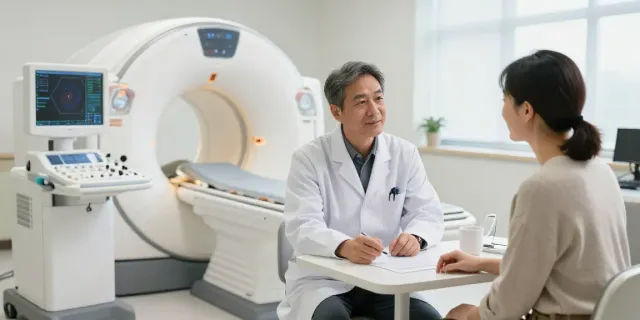
Before undergoing brain tumor surgery, extensive planning is required. This involves a thorough evaluation, including imaging studies and possibly biopsy, to precisely identify the tumor's nature and location. The surgical team will formulate a strategy aimed at maximizing tumor removal while preserving surrounding healthy brain tissue. Patients should discuss their fears and expectations during pre-surgical consultations to ensure a comprehensive understanding of the procedure.
Surgical Techniques Used in Beyin Tümörü Ameliyatı
Modern surgical techniques enhance the safety and efficacy of brain tumor surgeries. Common methods include:
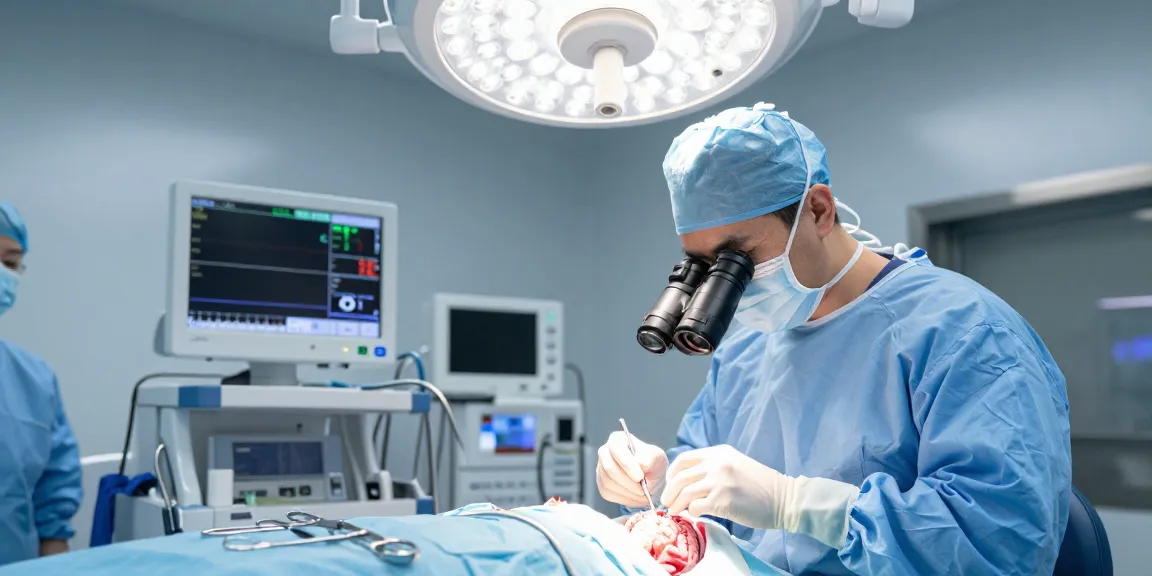
- Craniotomy: Involves removing a section of the skull to access the brain. This traditional method allows the surgeon direct visibility and access to the tumor.
- Stereotactic Surgery: Utilizes advanced imaging to target tumors accurately, minimizing damage to healthy brain tissue.
- Awake Craniotomy: Performed while the patient is awake, this technique allows surgeons to monitor neurological functions in real-time, reducing the risk of postoperative complications.
Postoperative Care and Recovery
Post-surgery recovery is a critical phase where patients are closely monitored in a hospital setting. Initial recovery in the intensive care unit (ICU) may last 24-48 hours, during which vital signs and neurological status are assessed. Patients can expect a gradual transition to regular wards as stability improves. Discharge criteria typically include:
- Stable vital signs
- No major complications
- Ability to perform basic functions
Follow-up appointments are crucial for monitoring recovery and detecting any signs of recurrence early.
Risks and Complications of Brain Surgery
Common Risks Associated with Beyin Tümörü Ameliyatı
Like any surgical procedure, brain tumor surgery carries inherent risks. Potential complications include:
- Infection
- Bleeding in the brain
- Neurological deficits, such as weakness or speech difficulties
- Seizures
How to Minimize Surgical Risks
Effective risk management strategies are essential. These include selecting an experienced surgical team, assessing the patient's overall health prior to surgery, and following preoperative instructions carefully, such as avoiding blood thinners or smoking.
Identifying Complications Early
Postoperative monitoring is critical for identifying complications early. Patients and caregivers should be educated about warning signs such as fever, severe headaches, or changes in cognition, prompting immediate medical attention.
Cost Considerations for Surgery
Understanding Beyin Tümörü Ameliyatı Costs
The cost of brain tumor surgery can vary widely based on factors such as hospital stay duration, type of procedure, and the surgeon's expertise. Patients should obtain a detailed estimate that includes all possible expenses.
Insurance and Financial Support Options
Most health insurance plans cover brain tumor surgery, however, patients should verify coverage details, including out-of-pocket costs. Some hospitals offer financial counseling to help patients navigate costs.
Comparing Costs of Different Treatment Approaches
When considering treatment options, it's also essential to compare costs across different facilities and treatment methods. For example, some centers may offer advanced techniques that could lead to shorter recovery times, ultimately affecting overall costs.
Future Trends in Brain Tumor Management
Emerging Techniques in Neurosurgery
Innovations in neurosurgical techniques are continuously being developed, aiming to enhance precision and patient safety. New imaging technologies, robotic-assisted surgeries, and targeted therapies are paving the way for less invasive interventions.
Advancements in Postoperative Care
Future advancements will likely incorporate telemedicine for follow-up care, allowing for timely interventions and improved patient engagement and satisfaction.
Predictions for Brain Tumor Treatments in 2026
As research advances, we can expect more personalized treatment protocols based on genetic profiling of tumors, leading to improved outcomes and reduced recurrence rates. Additionally, new therapies are likely to be developed that combine surgery with advanced radiation techniques and immunotherapy.
What should I know before undergoing Beyin Tümörü Ameliyatı?
Before surgery, patients should educate themselves on the procedure and expected outcomes. Engaging in discussions with healthcare providers can clarify uncertainties and help establish realistic expectations.
How long does recovery from Beyin Tümörü Ameliyatı typically take?
Recovery following brain tumor surgery can vary significantly depending on individual circumstances. While many patients may return to normal activities within a few weeks, others may require longer rehabilitation.
What are the symptoms of complications after surgery?
Awareness of symptoms indicating complications is essential. These may include worsening headaches, unexpected seizures, fever, or neurological changes.
How can I prepare for brain tumor surgery?
Proper preparation is key to a successful surgery. Patients should focus on maintaining a healthy lifestyle, following medical advice, and understanding the pre-surgical instructions to optimize their health for the procedure.
What are the chances of recurrence after surgery?
The likelihood of tumor recurrence depends on various factors including tumor type, surgical margins, and the aggressiveness of the tumor. For more information, beyin tümörü ameliyatı offers valuable insights. Regular follow-ups and imaging are crucial for early detection.