Understanding Nyonya Cuisine and Its Cultural Significance
Nyonya cuisine, often celebrated for its vibrant flavors and unique blend of cultural influences, represents a fascinating culinary tradition that originated from the intermingling of Chinese and Malay cultures in Southeast Asia. This rich gastronomy is not merely about food; it embodies the heritage and customs of the Peranakan people, who have contributed significantly to its development. As you delve into the world of Nyonya cuisine, you'll find stories of resilience, adaptation, and creativity that reflect the social fabric of the communities it represents. For those interested in exploring this remarkable culinary realm, resources like nyonya4d can provide comprehensive insights into its offerings.
What is Nyonya Cuisine?
Nyonya cuisine is a fusion of Chinese ingredients with Malay spices and cooking techniques, resulting in an eclectic array of dishes that boast both flavor and artistry. It is characterized by the use of rich spices, herbs, and coconut milk, which create depth and complexity in flavor profiles. Common elements include lemongrass, galangal, and turmeric, which are staples in many Nyonya dishes. Unlike typical Chinese cuisine, Nyonya dishes often involve a more extensive use of aromatic spices, making them distinct.
The History Behind Nyonya Culinary Traditions
The roots of Nyonya cuisine can be traced back to the Straits Settlements, which include Malacca, Penang, and Singapore, during the 15th century. The arrival of Chinese immigrants, known as the Hokkien, Teochew, and Cantonese, led to the marriage of Chinese cooking principles with local Malay flavors and ingredients. This cross-cultural exchange enriched the culinary landscape, resulting in a unique and influential cuisine that continues to evolve today.
Core Ingredients in Nyonya Dishes
Understanding the core ingredients that define Nyonya cuisine is essential for appreciating its depth. Here are some of the key components:
- Coconut Milk: A crucial ingredient that lends creaminess and richness to many Nyonya dishes, such as Laksa and Rendang.
- Spices: Tamarind, chili, and various herbs like pandan and kaffir lime leaves form the backbone of flavor in Nyonya cooking.
- Fresh Ingredients: Seafood, chicken, and vegetables are commonly used, highlighting the emphasis on freshness and quality.
Essential Nyonya Dishes to Try
Exploring Nyonya cuisine would be incomplete without tasting its signature dishes, each telling a story of tradition and innovation. Here are some must-try dishes:
Signature Nyonya Dishes Explained
Some of the most iconic Nyonya dishes include:
- Ayam Pongteh: A hearty chicken stew flavored with fermented soybean paste and potatoes, showcasing the umami profile of Nyonya cuisine.
- Laksa: A spicy noodle soup that combines Chinese and Malay elements, often served with prawns, fish cakes, and a fragrant coconut broth.
- Nasi Ulam: A fragrant rice salad mixed with fresh herbs, coconut, and proteins, often enjoyed as a light meal.
Popular Nyonya Desserts and Sweets
Nyonya desserts are equally captivating, blending flavors and textures that delight the palate. Some beloved sweets include:
- Kueh Lapis: A multi-layered Indonesian cake made from rice flour and coconut milk, often steamed to perfection.
- Ang Ku Kueh: A traditional glutinous rice cake filled with sweet mung bean paste, symbolizing longevity.
- Bubur Cha Cha: A dessert made with sweet potatoes, taro, and coconut milk, offering a creamy and satisfying finish to any meal.
How to Prepare a Traditional Nyonya Meal
Preparing a Nyonya meal requires careful attention to detail and a love for the process. Here’s a simple guide to crafting a traditional dinner:
- Choose Your Dishes: Select a combination of main dishes, side dishes, and dessert.
- Gather Ingredients: Ensure you have all the necessary ingredients, focusing on freshness.
- Prep and Marinate: Spend time marinating proteins and preparing spices to enhance flavors.
- Cook with Love: Allow yourself to fully embrace the cooking process, which is as important as the meal itself.
Celebrating Nyonya Festivals and Customs
Nyonya cuisine plays a pivotal role in cultural celebrations, reflecting the rich traditions of the Peranakan community. Understanding these festivals can provide insight into the deeper meanings behind the food.
Key Festivals Featuring Nyonya Cuisine
There are several important festivals where Nyonya cuisine takes center stage:
- Chinese New Year: A time for family gatherings, Nyonya dishes like Sweet Dumplings are commonly served.
- Hari Raya: Celebrated at the end of Ramadan, this festival features specialties such as Rendang.
- Cheng Beng: This festival honors ancestors, and families often prepare traditional dishes to pay respect.
Traditional Nyonya Customs During Celebrations
Customs and traditions are integral to Nyonya celebrations, often materializing in family gatherings centered around food. Key practices include:
- Food Offerings: Preparing specific dishes for ancestors reflects gratitude and respect.
- Community Bonding: Cooking and sharing meals with extended family fosters connections.
- Storytelling Through Food: Each dish tells a story, passing down history and culture through generations.
The Role of Food in Nyonya Family Gatherings
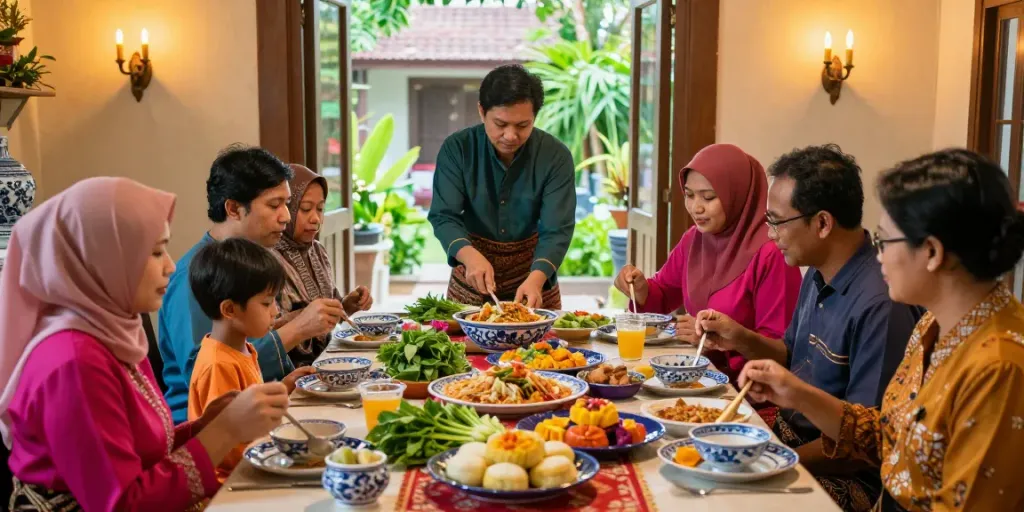
Family gatherings often revolve around food, making it a cornerstone of Nyonya culture. Meals are more than sustenance; they are an opportunity to bond and share stories across generations. Participating in meal preparation helps instill cultural values in younger family members, ensuring that the culinary traditions of the Nyonya are preserved.
Modern Twists on Traditional Nyonya Recipes
The culinary world is constantly evolving, and Nyonya cuisine is no exception. Contemporary chefs are innovating traditional recipes to cater to modern palates and dietary trends.
Fusing Contemporary Techniques with Nyonya Flavors
Modern Nyonya chefs are exploring new cooking methods while retaining traditional flavors. Techniques such as sous-vide cooking are being introduced into traditional recipes to enhance flavors without compromising authenticity.
Innovative Nyonya-Inspired Dishes
Today, you can find Nyonya-inspired dishes that combine global cuisines. For example, Nyonya tacos blending traditional spice profiles with Mexican elements have gained popularity and showcase the adaptability of this cuisine.
Adapting Nyonya Recipes for Health-Conscious Eating
Health-conscious individuals can still enjoy Nyonya cuisine by modifying recipes. Substituting traditional ingredients with healthier alternatives, such as using whole grains or low-fat options, allows for a delicious yet nutritious experience that honors the culinary heritage.
Resources for Exploring Nyonya Cuisine Further
For those eager to dive deeper into Nyonya cuisine, a plethora of resources are available to help you on your culinary journey.
Top Cookbooks to Master Nyonya Cooking
Cookbooks dedicated to Nyonya cuisine provide valuable recipes and insights into traditional cooking techniques. Some recommended titles include:
- The Nyonya Cookbook by Koh Cheng Thye — A comprehensive guide with authentic recipes.
- Peranakan Cooking by Lee Geok Boi — Offers a blend of traditional and modern Nyonya recipes.
- Flavors of the East by Dr. David Tan — Focuses on the history and significance of each dish.
Online Communities and Cooking Classes
Joining online cooking communities or attending cooking classes can enhance your skills and connect you with fellow enthusiasts. Platforms like social media and cooking websites often host forums and events dedicated to Nyonya cuisine.
Where to Find Authentic Nyonya Ingredients
Finding authentic ingredients is crucial for crafting traditional Nyonya dishes. Local Asian markets often stock essential items, while specialty online stores provide access to hard-to-find ingredients like belacan and daun pandan.
What are the key components of Nyonya4D cuisine?
The key components of Nyonya cuisine revolve around unique ingredients such as coconut milk, aromatic spices, and fresh produce, creating a distinctive flavor profile.
How can I incorporate Nyonya flavors into my cooking?
Incorporating Nyonya flavors can be achieved by experimenting with spices commonly found in Nyonya dishes, as well as using fresh herbs like lemongrass and kaffir lime leaves to enhance your culinary creations.
Where can I find Nyonya cooking classes?
Many culinary schools and community centers offer Nyonya cooking classes, providing hands-on experience in preparing traditional dishes.
What festivals celebrate Nyonya cuisine?
Festivals like Chinese New Year, Hari Raya, and Cheng Beng highlight the significance of Nyonya cuisine in cultural celebrations, showcasing traditional dishes that symbolize heritage.
Which are the best Nyonya dishes for beginners?
Beginners may find dishes like Nasi Ulam, Ayam Pongteh, and simple desserts like Ang Ku Kueh accessible, allowing for a gentle introduction to the complexity of Nyonya cooking.