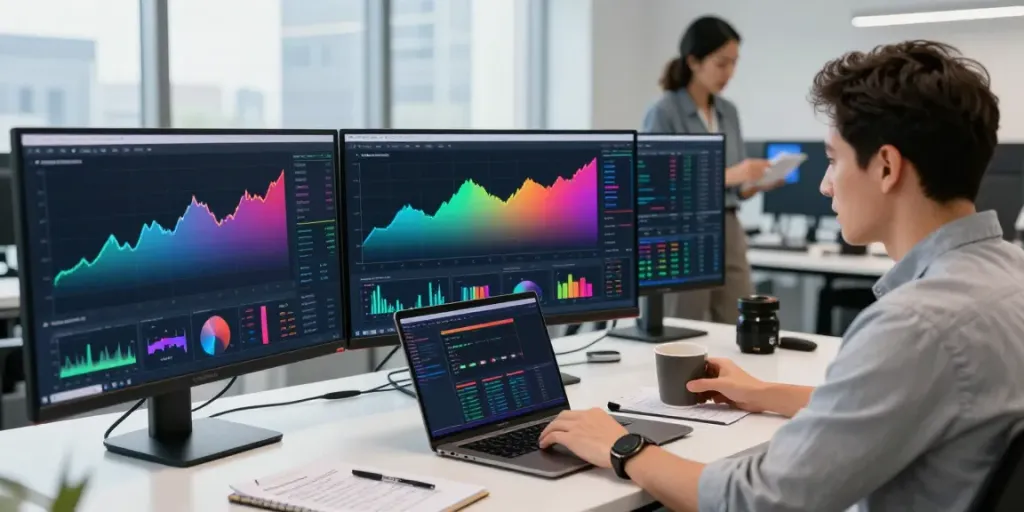
Understanding TradingView: A Comprehensive Overview
In today's fast-paced trading environment, having an effective tool to analyze and execute market strategies is crucial. One of the leading platforms in this domain is TradingView, which combines a powerful charting tool with social networking features for traders and investors. Whether you're dealing with stocks, forex, cryptocurrencies, or derivatives, TradingView offers a unified approach that can streamline your research process. This guide aims to provide an in-depth exploration of TradingView, showcasing its key features, how to set up an account, and tips for mastering its functionalities.
What is TradingView?
TradingView is a cloud-based platform that allows users to create and share custom charts, perform technical analysis, and interact with a global community of traders. Launched in 2011, it has quickly grown to become one of the most popular charting tools for both novice and professional traders. The platform’s versatility enables users to analyze various asset classes, including stocks, commodities, and cryptocurrencies, all from a single interface.
Key Features of TradingView
- Advanced Charting Tools: Users can access a wide range of chart types, including candlestick, line, and area charts, with multiple timeframes to choose from.
- Social Community: The platform provides a robust social element, where users can publish trading ideas, discuss market trends, and share charts with others.
- Pine Script: TradingView features its own scripting language, Pine Script, allowing users to create custom indicators and backtest trading strategies.
- Alerts and Notifications: Real-time alerts can be set to notify users of significant price movements or technical setups, ensuring that key opportunities are not missed.
- Integrations: The platform supports direct trading with several brokers, enabling users to execute trades without leaving the TradingView interface.
Why Choose TradingView for Market Analysis?
The appeal of TradingView lies in its user-friendly interface combined with an extensive range of features tailored for serious traders. Its ability to synthesize complex market data and present it in an easily digestible format makes it a preferred choice for many. Moreover, TradingView’s community-driven insights provide users with diverse perspectives, allowing them to refine their own strategies and learn from experienced traders.
Setting Up Your TradingView Account
How to Create Your TradingView Account
Creating a TradingView account is straightforward. Users can sign up for a free account, which provides basic features, or choose from several subscription plans for additional capabilities. To get started, simply visit the TradingView website and click on the "Join for Free" button. You’ll need to provide an email address and create a password. Alternatively, you can sign up using your Google or Facebook account.
Exploring Subscription Plans
TradingView offers multiple subscription tiers: Basic (free), Pro, Pro+, and Premium. Each plan comes with increasing levels of functionality, such as enhanced charting tools, more indicators per chart, and advanced alert systems. Consider your trading needs—if you require in-depth analytics and frequent access to market data, opting for a paid plan could be beneficial.
Customizing Your Profile and Preferences
Upon creating your account, take some time to customize your profile. This includes setting up your preferred layouts, selecting default indicators, and adjusting notification settings. Personalizing your TradingView environment will enhance your workflow and make it easier to navigate the platform.
Mastering TradingView's Charting Tools
Basic Charting Techniques
To effectively utilize TradingView, it’s important to become familiar with its basic charting capabilities. Start by selecting your preferred asset and timeframe. Use drawing tools to annotate key levels of support and resistance, and familiarize yourself with various chart settings to find what suits your trading style.
Advanced Analysis with Indicators
TradingView offers a plethora of technical indicators, such as moving averages, Relative Strength Index (RSI), and Bollinger Bands. To apply these indicators, navigate to the “Indicators” menu and select the ones that align with your trading strategy. Experimenting with combinations of indicators can provide insights into potential market movements.
Creating Custom Alerts and Watchlists
Setting up custom alerts is one of TradingView's standout features. Users can create alerts based on specific price levels or when certain conditions are met by their chosen indicators. This ensures that you remain updated on market movements and potential trading opportunities without having to constantly monitor the charts.
Implementing Trading Strategies Using TradingView
Developing Effective Trading Strategies
Developing a successful trading strategy involves analyzing market conditions, understanding risk management, and employing appropriate techniques. Utilize TradingView’s charting tools to backtest your strategies through historical data, assessing their effectiveness before implementing them in live markets.
Utilizing the Strategy Tester for Backtesting
TradingView’s Strategy Tester allows traders to backtest their scripts and strategies using historical price data. This feature is invaluable for understanding how a strategy might perform under different market conditions. To access the Strategy Tester, navigate to your script and run it against historical data, reviewing key performance metrics such as profit factor and maximum drawdown.
Analyzing Community Strategies
One of the most beneficial aspects of TradingView is its community. Users can access a vast collection of strategies shared by other traders. Analyzing these strategies can provide inspiration, and you can learn from successful traders by observing their approach to market analysis.
The Future of TradingView and Market Analysis
Emerging Trends in Trading Technology
The trading landscape is rapidly evolving, with technology playing a central role. From algorithmic trading to artificial intelligence, these trends are shaping how traders analyze markets and execute trades. TradingView is well-positioned to integrate these advancements into its platform, enhancing the user experience and providing cutting-edge tools for analysis.
What to Expect from TradingView in 2026
Looking ahead, TradingView is expected to expand its feature set significantly. Anticipated enhancements include more robust data analytics capabilities, deeper integrations with brokers, and potentially even AI-driven trading assistants that can help users refine their strategies based on real-time data.
Preparing for Changes in Market Dynamics
As financial markets are influenced by geopolitical events, regulatory changes, and technological advancements, it’s essential for traders to stay adaptable. TradingView empowers users to track these dynamic changes with powerful tools, allowing for informed decision-making in an ever-shifting landscape.
Is TradingView actually free?
Yes, TradingView offers a free tier that provides access to essential features, such as charting tools and the ability to set alerts. However, for more advanced features, users will need to consider upgrading to one of the paid plans.
How do I use TradingView for effective trading?
To use TradingView for effective trading, familiarize yourself with its charting capabilities, set up alerts for price levels that matter to you, and backtest your trading strategies through its extensive tools. Engage with the community to expand your knowledge and continuously refine your methods.
What are the benefits of using TradingView?
The benefits of using TradingView include a comprehensive suite of tools for charting, analysis, and strategy development, as well as a vibrant community of traders. Its cloud-based nature also allows access from any device, ensuring you never miss a trading opportunity.
Can TradingView connect to my broker?
Yes, TradingView supports integrations with various brokers, allowing users to execute trades directly from the TradingView interface. Check the specific broker compatibility for your region.
What makes TradingView different from other platforms?
Unlike many other trading platforms, TradingView is not only a powerful analytical tool but also a social network. This unique combination allows for collaboration, learning, and sharing strategies among users globally, making it distinct in the trading software landscape.