Understanding Automatic Bag Palletizer Machines
In today's fast-paced industrial landscape, optimizing production processes is crucial for enhancing efficiency and profitability. Among the transformative technologies available, the automatic bag palletizer machine stands out as an essential tool for manufacturers seeking to improve their bag handling operations. This comprehensive guide will explore the fundamentals and benefits of automatic bag palletizers, helping businesses make informed decisions about their production needs.
What is an Automatic Bag Palletizer Machine?
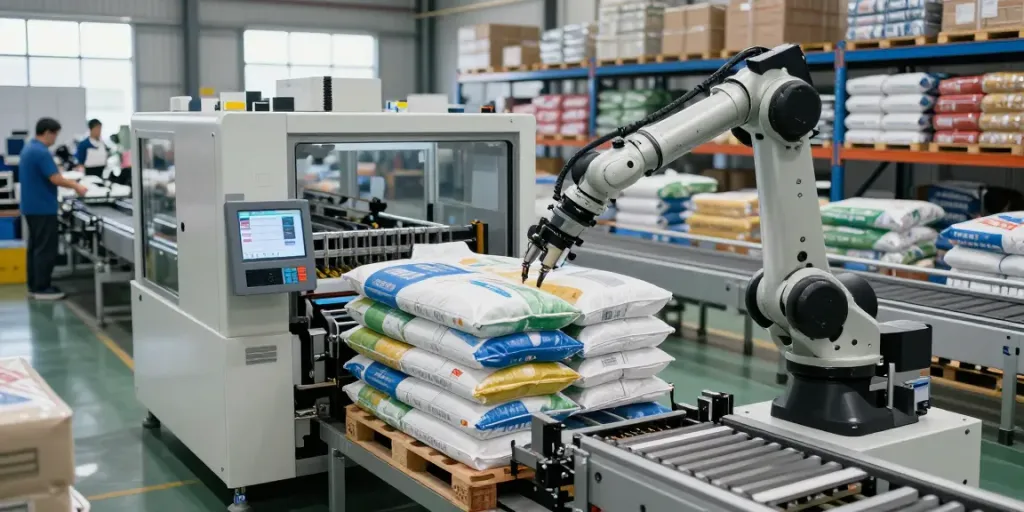
An automatic bag palletizer machine is a mechanical system designed to stack bags or products onto pallets with minimal human intervention. These machines are particularly useful in industries such as food, pharmaceuticals, chemicals, and building materials, where bags of varying sizes and weights need precise handling. The technology encompasses a combination of robotics, sensors, and software programming to ensure accuracy and efficiency in stacking patterns, ultimately reducing labor costs and human error.
How Does a Bag Palletizer Optimize Production?
Bag palletizers optimize production by automating the end-of-line packaging process. This automation allows for faster processing times, increased product handling capacity, and improved consistency in pallet loads. With high-speed operation capabilities, these machines can significantly lower the time required to stack bags, thereby speeding up the entire packaging workflow. For example, a robotic bag palletizer can handle upwards of 20 bags per minute, translating into enhanced throughput and resource management for manufacturers.
Key Features of Modern Bag Palletizers
- Flexibility: Modern bag palletizers accommodate a wide range of bag sizes, materials, and stacking patterns, allowing for seamless integration into existing production lines.
- User-Friendly Interfaces: Advanced control systems and user-friendly interfaces enable operators to program and adjust settings easily, ensuring that the machine adapts to different production requirements.
- High-Speed Operations: Many bag palletizers are capable of high-speed operations, significantly enhancing overall productivity.
- Integrated Safety Features: Safety is paramount in industrial settings, and contemporary palletizers come equipped with advanced safety mechanisms to protect operators and the workflow.
Benefits of Implementing Bag Palletizer Machines
Increased Efficiency and Accuracy
One of the primary advantages of integrating an automatic bag palletizer is the marked increase in operational efficiency. By eliminating the manual labor associated with bag stacking, businesses can streamline their operations and reduce the risk of errors. Accurate stacking not only enhances the stability of pallets for transportation but also optimizes space utilization within warehouses and shipping facilities. Furthermore, automation allows workers to focus on tasks that require critical thinking and oversight, thus improving overall labor productivity.
Reduction of Labor Costs
Labor costs account for a significant portion of operational expenses in manufacturing. By implementing a bag palletizer, companies can drastically reduce the number of personnel needed for manual stacking operations. This reduction not only lowers wage expenses but also minimizes the costs associated with training and overtime. In a competitive market, these savings can translate into lower product prices, giving businesses a substantial edge over competitors who rely on manual processes.
Enhanced Production Scalability
As businesses grow, the demand for efficiency and production capacity increases. Automatic bag palletizers are designed to facilitate this scalability. Their ability to handle varying production volumes without the need for extensive reconfiguration makes them incredibly versatile. Companies can respond to fluctuations in demand seamlessly, ensuring that they can always meet customer expectations without compromising quality or efficiency.
Challenges in Choosing the Right Bag Palletizer
Common Misconceptions About Automation
Despite the numerous advantages, there are still misconceptions surrounding the adoption of automated solutions. Many manufacturers believe that automation is only suited for large-scale operations, which is not necessarily true. Smaller businesses can also benefit from scalability and efficiency improvements. Another common myth is that automated systems are too complex and expensive. In reality, numerous options exist that cater to a range of budgets and operational needs, including entry-level models for smaller organizations.
Evaluating Compatibility with Existing Systems
When selecting an automatic bag palletizer, it's crucial to consider how the machine will integrate with existing production lines. Companies should evaluate their current machinery and workflow to ensure compatibility and avoid any disruptions during implementation. Doing so facilitates a smoother transition to automation and helps maximize the return on investment (ROI) from the new equipment.
Budgeting for Integration and Maintenance
Beyond the initial purchase cost, organizations must also plan for integration expenses and long-term maintenance of their palletizing systems. While automation can lead to substantial savings in labor and operational costs, businesses should set aside a portion of their budget for ongoing maintenance and potential upgrades. Regular upkeep is essential for maintaining efficiency and preventing costly downtimes.
Best Practices for Operating Bag Palletizers
Regular Maintenance and Upkeep
To ensure optimal performance and longevity of the bag palletizer, it's essential to establish a routine maintenance schedule. Regular inspections, cleaning, and component replacements will help identify potential issues before they develop into significant problems. Additionally, collaborating with the manufacturer for technical support and updates can provide insights into the best maintenance practices tailored to specific models.
Employee Training on New Equipment
Investing in employee training is crucial when introducing new machinery into the workplace. Operators should be well-versed not only in how to operate the bag palletizer but also in safety protocols and troubleshooting. Comprehensive training programs can enhance productivity and foster a culture of safety within the organization, ultimately leading to a more efficient operation overall.
Monitoring and Analyzing Performance Metrics
Finally, companies should continuously monitor the performance of the bag palletizer. By analyzing data related to production rates, downtime, and error rates, organizations can gain valuable insights into operational efficiency. This data-driven approach allows for informed decision-making and the identification of areas for improvement, ensuring that the automation investment pays dividends in the long run.
The Future of Bag Palletizing Technology
Emerging Trends in Automation for 2026
As technology advances, the future of bag palletizing will likely be influenced by trends in automation and artificial intelligence (AI). For instance, predictive analytics will enable machines to anticipate maintenance needs and adjust operations based on real-time data. Additionally, as demand for sustainability grows, innovations in eco-friendly materials and energy-efficient systems will become more important for manufacturers.
The Role of Artificial Intelligence in Bag Palletizing
Artificial intelligence is reshaping the landscape of manufacturing and logistics. In bag palletizing, AI can enhance the decision-making process by optimizing stacking patterns and enhancing predictive maintenance schedules. This integration not only improves efficiency but also reduces waste, contributing to more sustainable operations. Companies that leverage AI will position themselves at the forefront of the industry, ready to meet the challenges of an evolving market.
Predictions for the Industry
Looking ahead, the bag palletizing market is expected to witness significant growth driven by advancements in technology and increasing demand for automation. As more manufacturers recognize the benefits of an automatic bag palletizer machine, the adoption rate in various sectors will likely surge. This growth presents an opportunity for companies to innovate and improve their operational processes, solidifying their competitiveness in the industry.