Understanding the Role of a Glass Cutting Machine Manufacturer
In the world of glass processing and manufacturing, the glass cutting machine manufacturer plays a pivotal role. These machines are essential for precision and efficiency in producing glass products, from windows to intricate glass artworks. With the evolution of technology, the modern glass cutting machine has transformed how glass is processed, providing enhanced capabilities that meet the stringent demands of today's industry. When exploring options, glass cutting machine manufacturer offers comprehensive insights into the latest advancements and best practices in the field.
What is a Glass Cutting Machine?
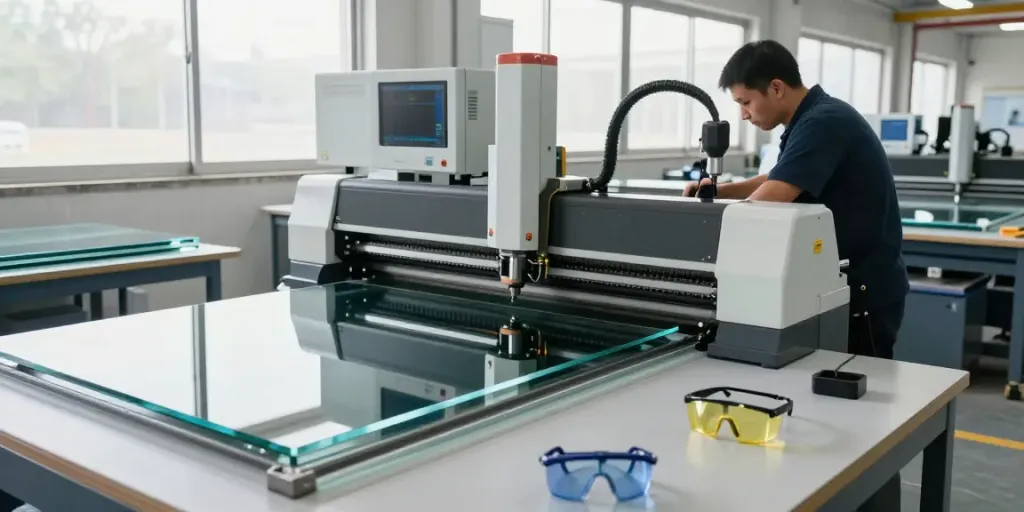
A glass cutting machine is a specialized device designed to cut and shape glass materials with precision. Depending on the complexity and requirements of the job, these machines come in various forms, including manual, semi-automatic, and fully automated systems. The primary function of these machines is to ensure clean, accurate cuts that reduce waste and optimize production processes.
Key Features of Modern Glass Cutting Machines
Modern glass cutting machines boast several innovative features that enhance their functionality and usability:
- High Precision Cutting: Utilizing advanced technology such as CNC (Computer Numerical Control), these machines can achieve extremely precise cuts, minimizing errors and maximizing material usage.
- User-Friendly Interfaces: Most modern machines come equipped with intuitive software interfaces that simplify operation and reduce the learning curve for new users.
- Speed and Efficiency: Automation has dramatically increased cutting speeds, allowing manufacturers to meet high-volume demands without sacrificing quality.
- Versatility: Many machines can cut various glass types, from standard sheet glass to laminated and tempered glass, making them suitable for diverse applications.
- Safety Features: With glass being a fragile material, modern machines are designed with safety in mind, incorporating protective shields and emergency shut-off features.
Why Choose a Trusted Manufacturer?
Selecting a reputable glass cutting machine manufacturer is essential for long-term investment. A trusted manufacturer ensures that the machines are built to last, incorporating high-quality materials and innovative technologies. Additionally, they provide excellent customer support, ensuring users can access assistance throughout the machine's lifecycle.
Top Technologies in Glass Cutting Machines
The Evolution of Glass Cutting Technology
The history of glass cutting machines dates back to the early 20th century when manual tools dominated the market. Over the decades, advancements in technology have significantly changed the landscape. The introduction of CNC technology revolutionized the industry, enabling automated cutting with unparalleled precision. Innovations such as laser cutting and water jet cutting have further expanded capabilities, offering solutions for more complex designs and thicker glass materials.
Innovations in Automated Cutting Systems
Automated cutting systems have become a game-changer in the glass manufacturing sector. These systems not only increase production speeds but also improve accuracy. For instance, integrated software can calculate optimal cutting patterns, which reduces waste and ensures that every sheet of glass is utilized effectively. Moreover, automated systems often include features like self-diagnosis and performance tracking, allowing manufacturers to maintain operational efficiency and address potential issues proactively.
Comparative Analysis of CNC Machines and Manual Cutters
When choosing between CNC machines and manual cutters, it’s essential to consider various factors:
- Precision: CNC machines offer superior precision and consistency in cutting compared to manual options, which rely on the operator’s skill.
- Speed: CNC machines can operate continuously at high speeds, making them ideal for large-scale production, whereas manual cutters are often slower and require more downtime.
- Ease of Use: While manual cutters demand skilled operators, CNC machines can be operated with minimal training due to their user-friendly interfaces.
- Cost: Manual cutters are typically less expensive upfront, but CNC machines offer better long-term value due to their efficiency and reduced labor costs.
Factors to Consider When Choosing a Manufacturer
Assessing Quality and Durability Standards
A critical aspect of selecting a glass cutting machine manufacturer is evaluating their adherence to quality and durability standards. Look for manufacturers that comply with international standards and certifications, ensuring that their products can withstand the rigors of daily operations.
Understanding Service and Support Offerings
Reliable manufacturers often provide comprehensive service packages, including installation, training, and ongoing maintenance. Assessing these support offerings can be a decisive factor, especially for businesses lacking in-house expertise.
Evaluating Cost vs. Value in Equipment Purchase
While price is an important consideration, it should not be the sole factor in your decision-making process. Evaluating the value provided by a manufacturer in terms of quality, support, and technology is essential for ensuring a worthwhile investment.
Best Practices for Operating Glass Cutting Machines
Training Your Staff for Safety and Efficiency
Proper training is critical to maximizing the capabilities of glass cutting machines. Employees should be thoroughly trained on safe operation, maintenance practices, and troubleshooting procedures. This reduces the risk of accidents and can enhance productivity significantly.
Maintenance Tips for Optimal Performance
Regular maintenance is vital for ensuring that glass cutting machines operate efficiently. Here are some best practices:
- Routine Inspections: Regularly check all components for wear and tear, and address any issues promptly.
- Lubrication: Keep moving parts properly lubricated to prevent friction and premature wear.
- Software Updates: Ensure that the machine’s software is updated regularly to benefit from improvements and new features.
Common Mistakes to Avoid in Glass Processing
To maintain operational efficiency and product quality, avoid the following common mistakes:
- Neglecting Maintenance: Skipping routine maintenance can lead to costly repairs and downtime.
- Poor Training: Inadequately trained staff can cause accidents and reduce the quality of cuts.
- Ignoring Safety Protocols: Failing to adhere to safety guidelines can result in serious injuries and damage to equipment.
Future Trends in Glass Cutting Industry by 2026
Emerging Technologies and Their Impact
The glass cutting industry is on the brink of several exciting technological advancements. Developments in artificial intelligence (AI) and machine learning are set to personalize the cutting process, allowing machines to adjust settings in real time based on the glass type and thickness.
Sustainability Practices in Glass Manufacturing
With a growing emphasis on sustainability, manufacturers are adapting to eco-friendly practices. This includes using more energy-efficient machines, recycling waste glass, and sourcing materials from sustainable suppliers.
Preparing for Market Changes and Consumer Demands
The glass market is continually evolving, with consumer demands shifting towards more customized and environmentally friendly products. Manufacturers need to be agile and responsive, adopting technologies that allow for rapid changes in production processes to meet these demands.