Understanding the Role of Precision CNC Machining Suppliers
In today’s rapidly evolving manufacturing landscape, the role of a precision cnc machining supplier has never been more crucial. As industries push for greater efficiency and precision, suppliers specializing in CNC (Computer Numerical Control) machining provide essential services that enable companies to produce high-quality components with exacting tolerances. Whether in aerospace, automotive, or medical device manufacturing, these suppliers are pivotal in ensuring product quality and operational efficiency.
What is Precision CNC Machining?
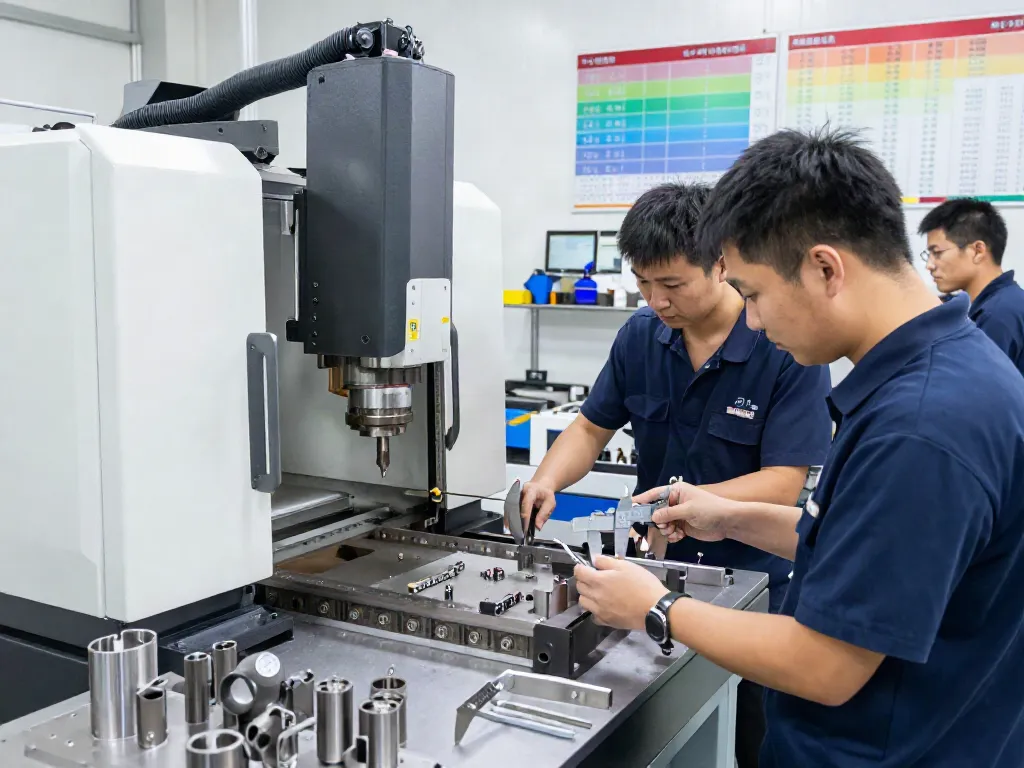
Precision CNC machining refers to the automated process of manufacturing components to precise specifications through various machining techniques, such as milling, turning, and drilling. This technology utilizes computer-controlled machines to manipulate tools and materials, allowing manufacturers to produce intricate and complex designs that would be challenging to achieve through traditional machining methods.
The precision aspect is vital; parts produced must meet strict dimensional tolerances that are often in the range of microns. This capability is essential for products used in critical applications where performance and reliability are paramount.
Benefits of Working with Professional Suppliers
- Expertise: Professional suppliers bring years of experience and technical know-how, ensuring that clients receive not only high-quality parts but also strategic advice on design and production methods.
- Quality Assurance: Established CNC machining suppliers implement rigorous quality control measures. They adhere to industry standards and certifications, guaranteeing that products meet or exceed client specifications.
- Timely Delivery: Working with experienced suppliers means that timelines are respected. Fast production and timely delivery are critical for manufacturers looking to maintain productivity and meet market demands.
- Cost Efficiency: Although initial costs may seem higher, partnering with a professional supplier can lead to long-term savings through reduced waste, fewer errors, and optimized production processes.
Pain Points Addressed by CNC Machining Services
Many manufacturers encounter significant challenges in their production processes, such as:
- Quality Variability: Inconsistent quality can lead to costly reworks and defects, affecting the overall output quality.
- Complex Designs: As product designs become more complex, traditional machining methods may struggle to meet the required specifications.
- Lead Times: Long lead times can delay product launches and result in lost market opportunities.
CNC machining services address these pain points by providing specialized solutions that enhance precision and streamline production workflows.
Choosing the Right Precision CNC Machining Supplier
Key Factors in Supplier Selection
Selecting a CNC machining supplier involves evaluating several crucial factors:
- Experience and Reputation: Look for suppliers with a proven track record in your specific industry. A well-established supplier with positive reviews is more likely to meet your needs effectively.
- Technological Capabilities: Assess the technology and machinery available. Advanced equipment, such as multi-axis CNC machines, can provide enhanced capabilities and efficiencies.
- Flexibility and Scalability: Consider whether the supplier can scale production up or down based on your changing demands.
- Service and Support: A supplier that offers excellent customer service and support can be invaluable when unexpected issues arise.
Evaluating Capabilities and Technologies
Before finalizing a supplier, it's essential to evaluate their machining capabilities. This includes assessing:
- Machining tolerances and precision levels
- Range of materials handled, including metals, plastics, and composites
- Types of machining services offered, including CNC milling, turning, and additive manufacturing
Additionally, suppliers should have updated Quality Management Systems (QMS) in place to ensure compliance with industry standards.
Cost Considerations and Budgeting
When budgeting for CNC machining services, it's vital to consider more than just the unit price. Factors such as:
- Setup costs associated with machinery and production runs
- Material costs, which can vary based on complexity and specifications
- Potential costs associated with quality assurance reworks
Taking a holistic view of these costs will help in evaluating the true value of a CNC machining supplier.
Common Challenges in CNC Machining and Solutions
Identifying Typical CNC Machining Issues
CNC machining is not without its challenges. Common issues include:
- Tool wear, which can lead to decreased accuracy and increased production time.
- Programming errors that can result in incorrect part dimensions and waste.
- Material inconsistencies that can affect part integrity.
Strategies to Overcome Production Challenges
To mitigate these challenges, consider implementing the following strategies:
- Regular maintenance of equipment to prolong tool life and ensure accuracy.
- Investing in training for operators to minimize programming errors.
- Utilizing high-quality materials that are less prone to inconsistencies.
Importance of Quality Assurance in Supply Chain
Quality assurance is a non-negotiable aspect of CNC machining. Establishing strict quality control protocols at every stage of production can significantly enhance overall output quality. This includes implementing:
- In-process inspection protocols
- Final inspection and testing methods
By ensuring that every part meets quality standards, manufacturers can reduce defects and enhance their reputation for reliability.
Real-World Applications of CNC Machining
Case Studies: Successful Implementations
Many organizations have significantly benefited from precision CNC machining. For example, a leading aerospace company implemented CNC machining for precision components, resulting in improved product performance and substantial cost savings due to reduced waste and faster production times.
Industries Benefiting from Precision Machining
Industries that primarily benefit from CNC machining include:
- Aerospace: Parts requiring high precision and lightweight materials.
- Automotive: Components that must meet stringent safety and performance standards.
- Medical Devices: Manufacturing parts that require exact specifications for functionality and safety.
Future Trends in CNC Machining Technologies
As we look towards the future, several trends are emerging in CNC machining. The integration of advanced technologies such as:
- AI and Machine Learning: These technologies are being leveraged to predict machining failures and optimize processes.
- Advanced Materials: Innovations in materials that allow for lighter and stronger components are becoming more prevalent.
- Automation: Greater automation in CNC machining is enhancing productivity and reducing human error.
Performance Metrics and Success Indicators
Measuring Efficiency and Quality in CNC Machining
Key performance indicators (KPIs) are essential for assessing the efficiency and quality of CNC machining processes. Important metrics include:
- Production Rate: The number of parts produced over a specific period.
- First Pass Yield: The percentage of products manufactured correctly without requiring rework.
- Overall Equipment Effectiveness (OEE): A measure of how well manufacturing operations are performing.
Key Performance Indicators for Suppliers
For suppliers, KPIs may include:
- On-time delivery rates
- Customer satisfaction ratings
- Quality defect rates
Looking Ahead: Metrics for 2026 and Beyond
As the CNC machining industry evolves, tracking the above metrics will become increasingly important. Companies should also focus on monitoring market trends and demand shifts to remain competitive.
What industries benefit most from precision CNC machining?
Industries such as aerospace, automotive, and medical devices are the primary beneficiaries of precision CNC machining due to their need for complex and high-quality components.
How can CNC machining improve manufacturing efficiency?
CNC machining improves manufacturing efficiency by optimizing production processes, reducing waste, and enabling quicker turnaround times on complex designs.
What should I consider when choosing a CNC machining supplier?
Consider factors such as experience, technology capabilities, quality assurance measures, and customer service before selecting a CNC machining supplier.
Are CNC machining services cost-effective for small businesses?
Yes, while upfront costs can be higher, the long-term savings realized through efficient processes and reduced waste can make CNC machining services highly cost-effective for small businesses.
What are the latest trends in CNC machining for 2026?
Trends like automation, AI integration, and the use of advanced materials are shaping the future of CNC machining, offering enhanced capabilities and efficiencies.