Understanding SHASHEL® Technology for Wood Treatment
In the world of pest management, particularly when it comes to wood preservation, the emergence of innovative technologies significantly impacts the way wood-boring insects are eradicated. One such leading technology is SHASHEL®, which employs microwave energy to eliminate woodworm infestations quickly and effectively. As traditional methods often involve harsh chemicals and lengthy treatment processes, SHASHEL® provides a revolutionary alternative that is safe, efficient, and environmentally friendly.
What is SHASHEL® and How Does It Work?
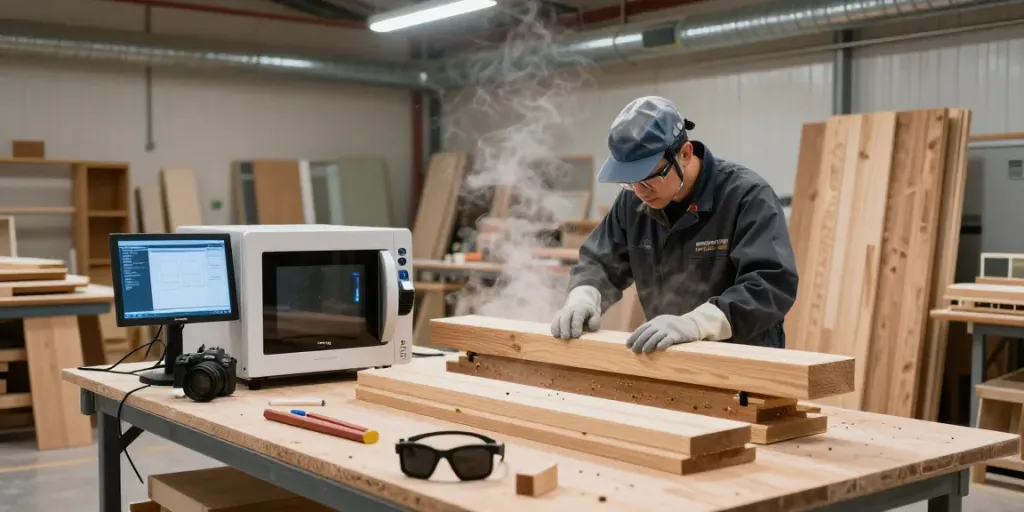
SHASHEL® is a cutting-edge system designed to treat wood infested by wood-boring insects such as woodworms, powderpost beetles, and longhorn beetles. The technology operates by delivering microwave energy that penetrates the wood material, heating it uniformly. This heat effectively kills all stages of these pests—larvae, eggs, and adults—within minutes. The scientific principle behind this technology is that the microwaves cause the moisture within the pests and wood to heat rapidly, leading to their demise through desiccation and thermal shock.
Benefits of Microwave Technology for Wood Insect Elimination
The advantages of using SHASHEL® technology for wood treatment are numerous:
- Speed: Treatments can be completed in as little as 30 minutes, depending on the thickness of the wood.
- Chemical-Free: Unlike traditional methods that rely on toxic chemicals, SHASHEL® treatments are completely eco-friendly, making the process safer for both people and pets.
- Deep Penetration: The unique ability of microwaves to penetrate deep into the wood ensures comprehensive treatment of all infestation stages.
- Permanent Results: Effective elimination of wood-boring insects eliminates the need for repeated treatments, providing peace of mind for homeowners and businesses.
Comparative Analysis: SHASHEL® vs. Traditional Methods
When evaluating SHASHEL® against traditional wood treatment methods, the contrast is striking. Conventional chemical treatments, while effective, often require multiple applications and extended waiting periods. They can also leave harmful residues in the environment. In contrast, SHASHEL® treatment starts to yield results almost immediately, with no toxic residues and minimal disruption to the surrounding environment. Furthermore, traditional methods may not adequately reach the inner parts of the wood, leaving behind undetected infestations, whereas SHASHEL® penetrates deeply to ensure thorough eradication.
Identifying Wood-Boring Insects and Damage
To effectively manage wood preservation, it's crucial to identify the types of wood-boring insects that may invade wooden structures and the damage they can cause. Prompt identification can lead to faster treatments and less severe outcomes.
Common Types of Wood-Boring Insects
Several species of wood-boring insects can compromise the integrity of wooden structures. Some of the most common include:
- Woodworms: Often found in older furniture and structural wood, these larvae eventually metamorphose into adult beetles.
- Powderpost Beetles: They create fine powdery frass from their wood digestive process, which can indicate a significant infestation.
- Longhorn Beetles: Characterized by their elongated antennae, they bore large exit holes in wood as they mature.
Signs of Infestation in Wooden Structures
Identifying the signs of infestation early on can mean the difference between minor repairs and extensive damage. Key indicators include:
- Holes: Small exit holes in the wood’s surface are a primary sign of adult wood-boring beetles.
- Frass: The presence of powdery droppings can suggest ongoing woodworm activity.
- Soft or Brittle Wood: Infestation often weakens the wood structure, making it soft to the touch or causing it to crack.
Understanding the Impact of Infestations on Wood Quality
Wood-boring insect infestations can lead to significant structural damage. As the insects consume the wood, they compromise its integrity, leading to potential safety hazards in homes and commercial buildings. Over time, persistent infestations can weaken beams, floorboards, and furniture, resulting in costly repairs and decreased property value.
Implementing SHASHEL® in Wood Treatment Practices
Utilizing SHASHEL® technology effectively requires understanding the proper methods and practices to ensure maximum efficacy in treating wood infestations.
Step-by-Step Guide to Using SHASHEL® Equipment
Using SHASHEL® equipment involves several straightforward steps:
- Preparation: Clear the treatment area of items that may be affected by heat, including sensitive materials and fabrics.
- Inspection: Conduct a thorough inspection to assess the level of infestation and identify targeted areas for treatment.
- Set Up the Equipment: Position the SHASHEL® device in such a way that it can adequately cover the affected areas, adhering to the manufacturer's guidelines.
- Initiate Treatment: Begin the microwave treatment, monitoring the process to ensure all target areas receive adequate exposure time.
- Post-Treatment Inspection: After treatment completion, check the wood for any signs of continued infestation.
Safety Precautions and Best Practices for Technicians
While SHASHEL® technology is safe and environmentally friendly, technicians should adhere to safety protocols:
- Always wear appropriate personal protective equipment (PPE), including gloves and goggles.
- Ensure that the treatment area is well-ventilated to prevent overheating.
- Conduct regular equipment checks to ensure optimal functioning and safety.
Common Mistakes to Avoid When Treating Wood
To maximize the effectiveness of SHASHEL®, avoid these common pitfalls:
- Inconsistent Coverage: Ensure that all infested areas are addressed; missed spots can lead to re-infestation.
- Impatience: Allow recommended treatment times to ensure complete eradication.
- Ignoring Safety Guidelines: Proper handling of equipment is essential for successful outcomes.
Maximizing the Benefits of SHASHEL® Technology
By employing SHASHEL® technology within wood treatment practices, users can experience long-lasting benefits that extend beyond immediate pest elimination.
Long-Term Effects of Microwave Treatment on Wood Integrity
The microwave treatment provided by SHASHEL® not only eliminates pests but also maintains the overall integrity of the wood. Unlike chemical treatments that can weaken materials, microwave exposure strengthens the cellular structure of wood, ensuring that it remains durable for years to come.
Integrating SHASHEL® Into Regular Maintenance Routines
To protect wooden structures over the long term, it’s advisable to integrate SHASHEL® treatments into regular maintenance routines. This approach will help catch infestations early and mitigate damage before it becomes severe.
Case Studies: Successful Wood Preservation Using SHASHEL®
Numerous case studies illustrate the effectiveness of SHASHEL® technology in various settings, from historical buildings to modern homes. These examples show how timely treatments not only preserve the wood but also enhance the aesthetic appeal and longevity of structures.
Future Trends in Wood Treatment Technologies
As the pest management industry evolves, several trends are shaping the future of wood treatment technologies. With increasing awareness of environmental impacts, the shift towards sustainable practices will likely continue to gain momentum.
Emerging Innovations in Pest Management for Wood
Future developments in pest control may include advanced monitoring technologies, which utilize sensors to detect infestations early. Additionally, biotechnology may provide new avenues for developing natural insect repellents and treatments that complement systems like SHASHEL®.
The Role of SHASHEL® in Sustainable Wood Practices
SHASHEL® positions itself as a leader in sustainable wood treatment, promoting a chemical-free approach that aligns with growing consumer demand for eco-friendly solutions. By reducing reliance on harmful pesticides, SHASHEL® supports the health of ecosystems while effectively managing wood pests.
Predictions for Wood Treatment Advances by 2026
By 2026, advancements in AI and machine learning may enable more precise pest detection and treatment planning, further enhancing the effectiveness of solutions like SHASHEL®. The integration of smart technologies in pest control is poised to revolutionize the industry, making treatments more efficient and environmentally sound.
What are the main advantages of microwave wood treatment?
The primary benefits of microwave wood treatment include rapid application, eco-friendliness, deep penetration, and residual safety.
How does SHASHEL® ensure safety during wood treatment?
SHASHEL® ensures safety by using non-chemical methods and incorporating safety measures within the operational protocols for technicians.
Can SHASHEL® be used for different types of wood?
Yes, SHASHEL® technology is versatile and effective for a wide range of wood types, including hardwoods and softwoods.
What maintenance is required for SHASHEL® equipment?
Regular cleaning, calibration, and inspection of the equipment are essential to ensure optimal performance and safety.
How does SHASHEL® compare with chemical treatments?
SHASHEL® offers a faster, safer, and more environmentally friendly alternative to chemical treatments, without the risks associated with toxic substances.